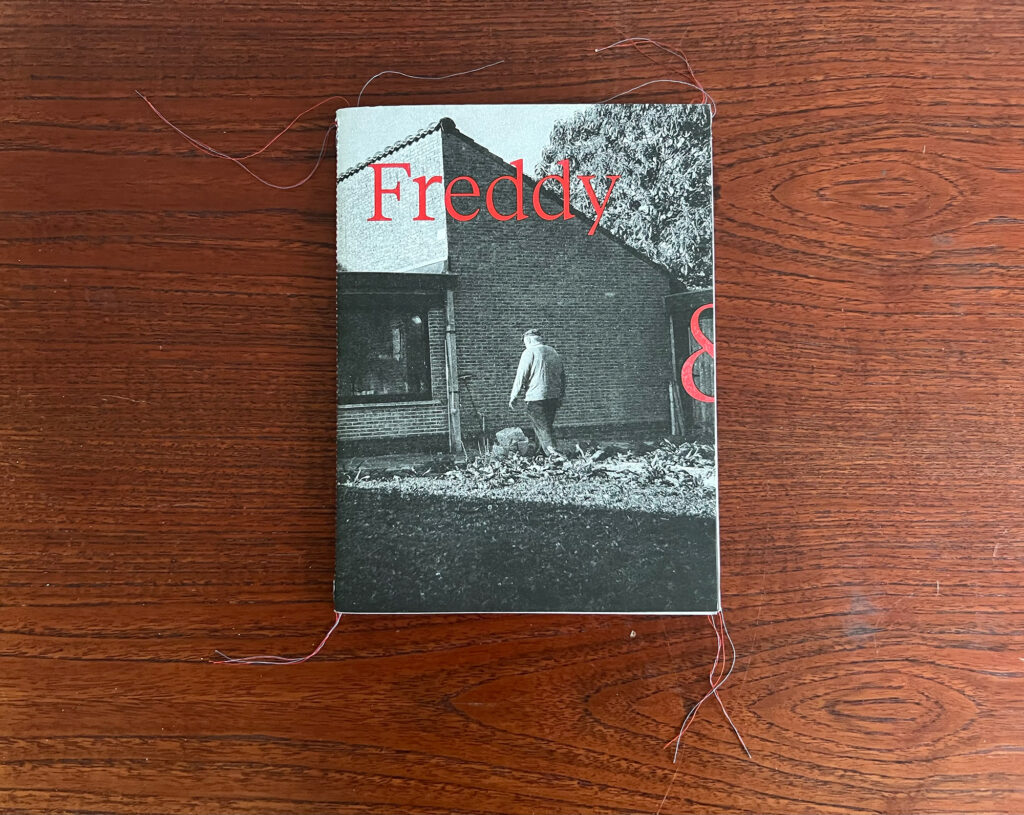
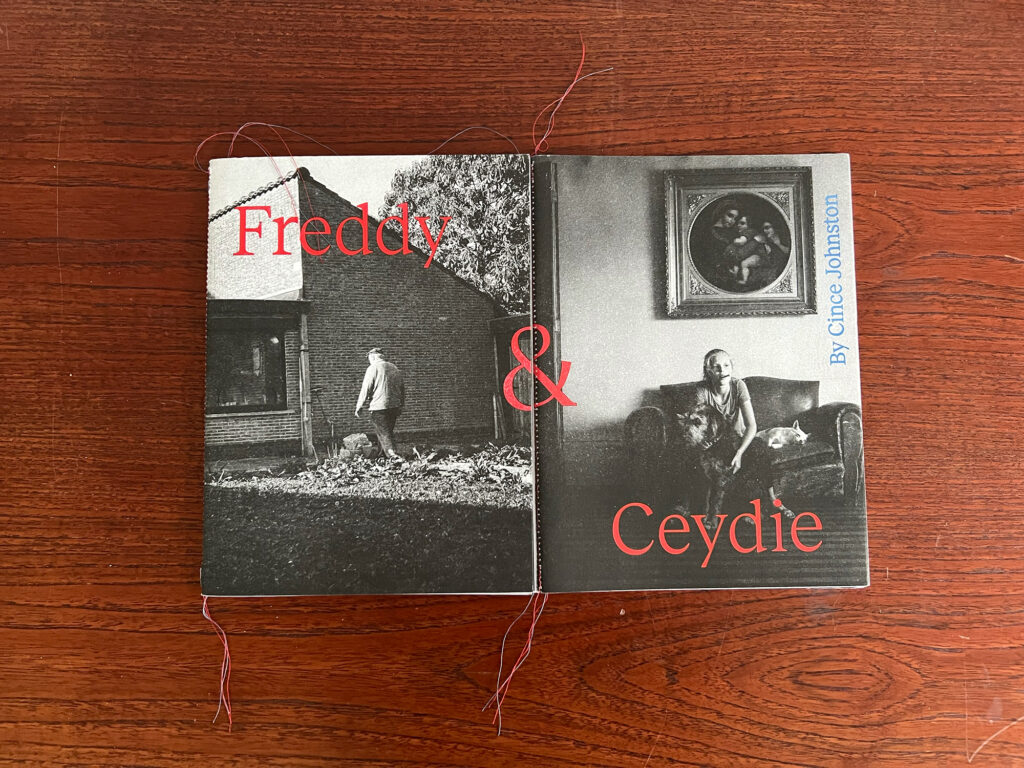
JTF (just the facts): Self-published in 2026 (here). Softcover, 7.5 x 10 inches, 64 pages, with 22 Risograph image reproductions. Includes a letter and an essay by the artist. In an edition of 55 copies. Design by Veronica Fieiras and printing by Vide Press. (Cover and spread shots below.)
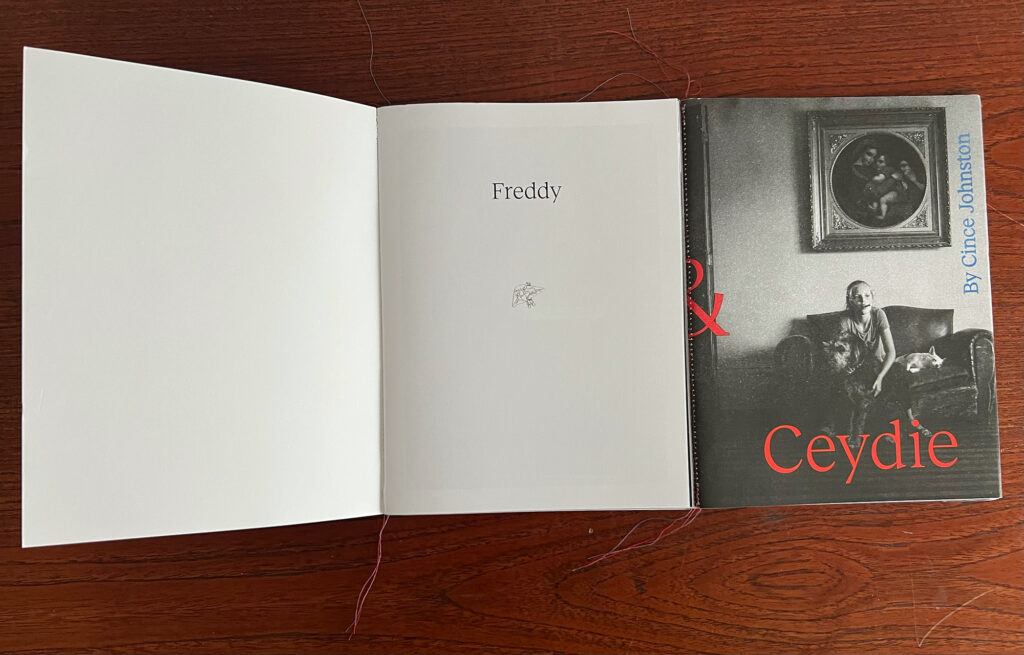
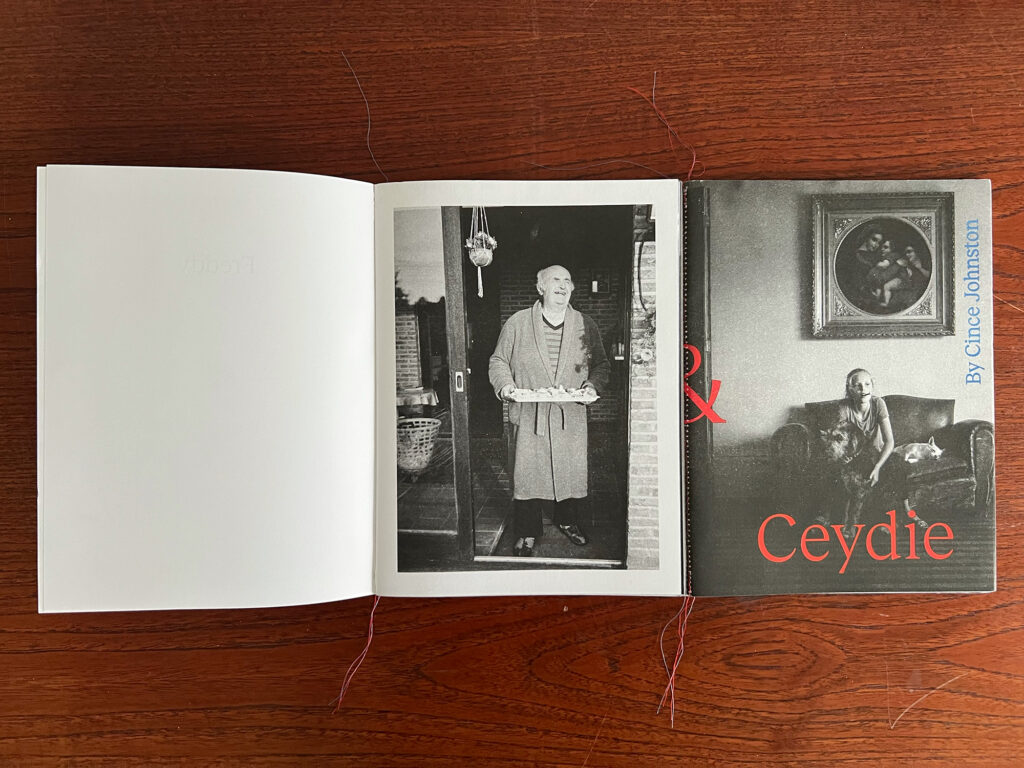
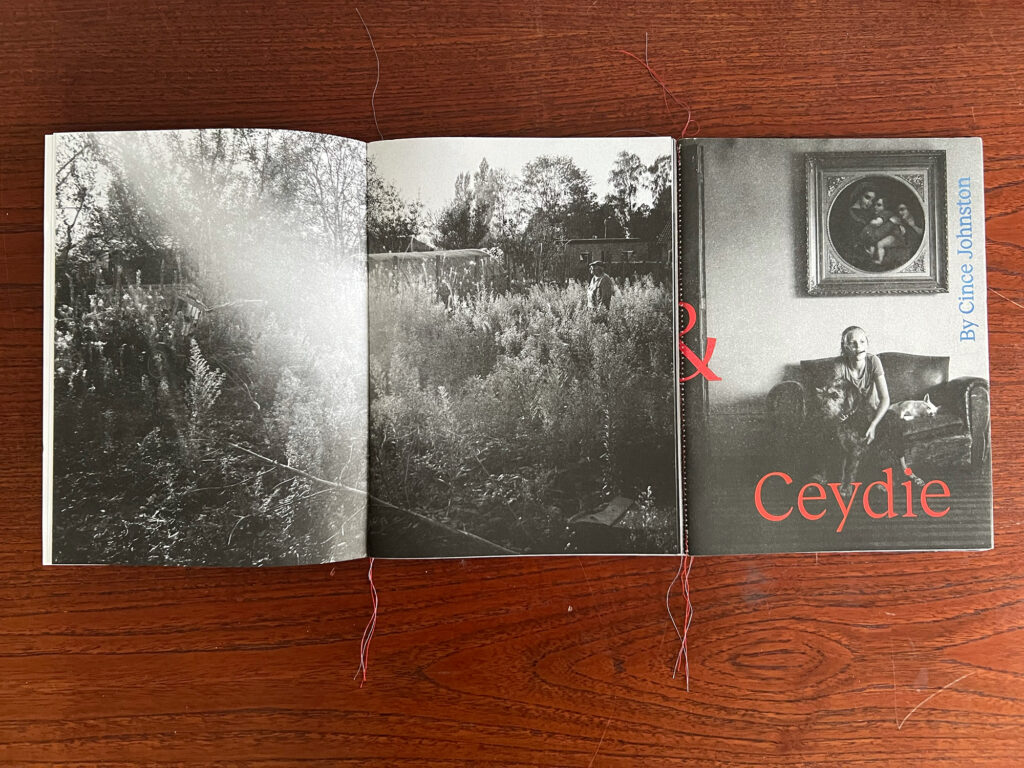
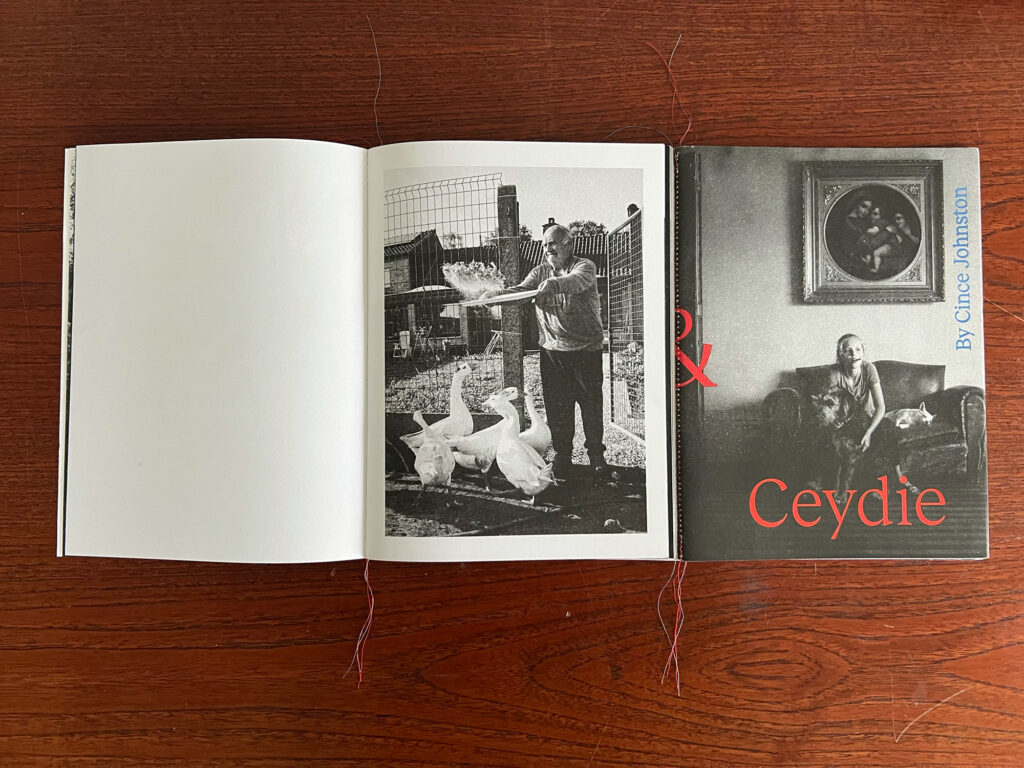
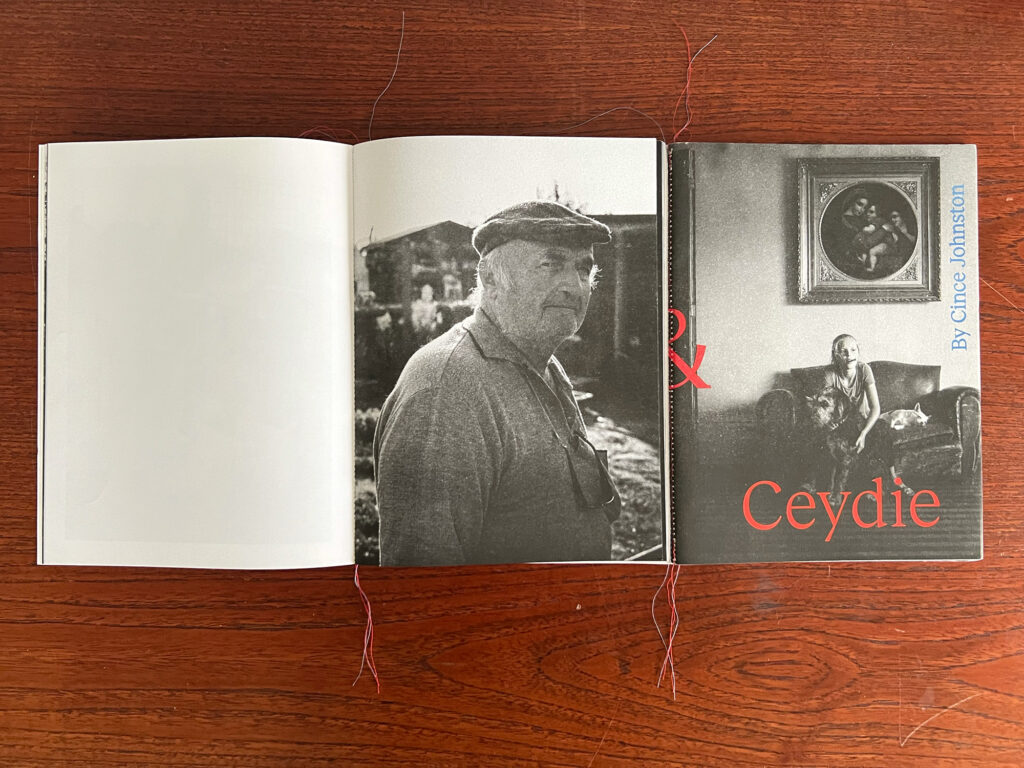
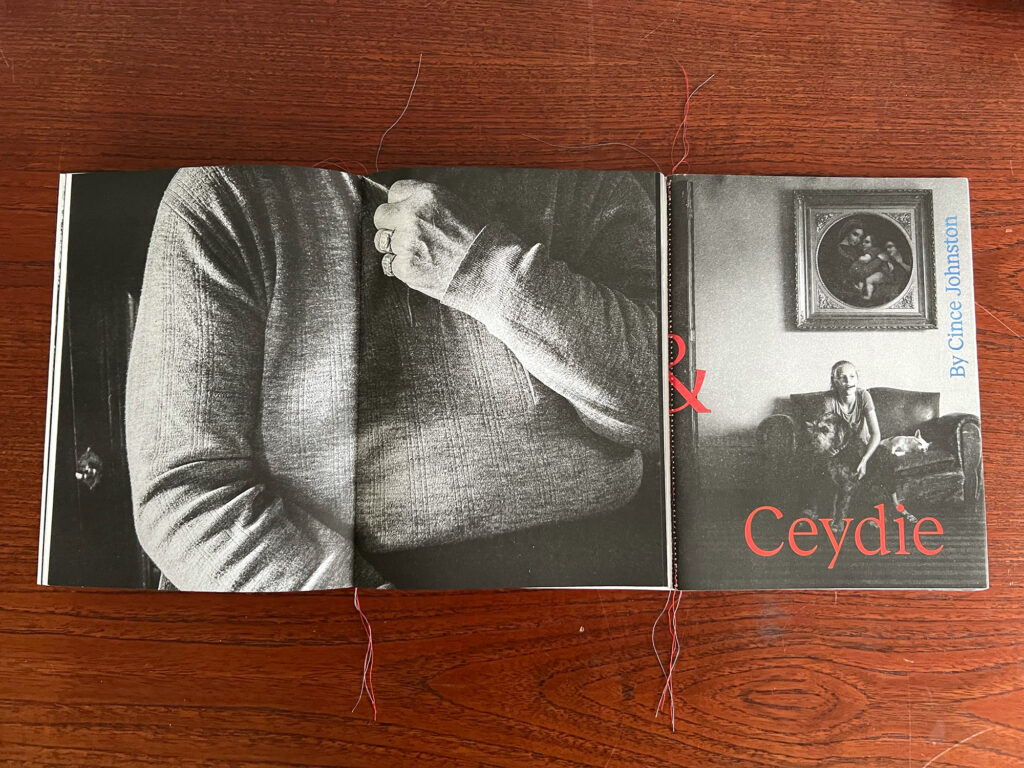
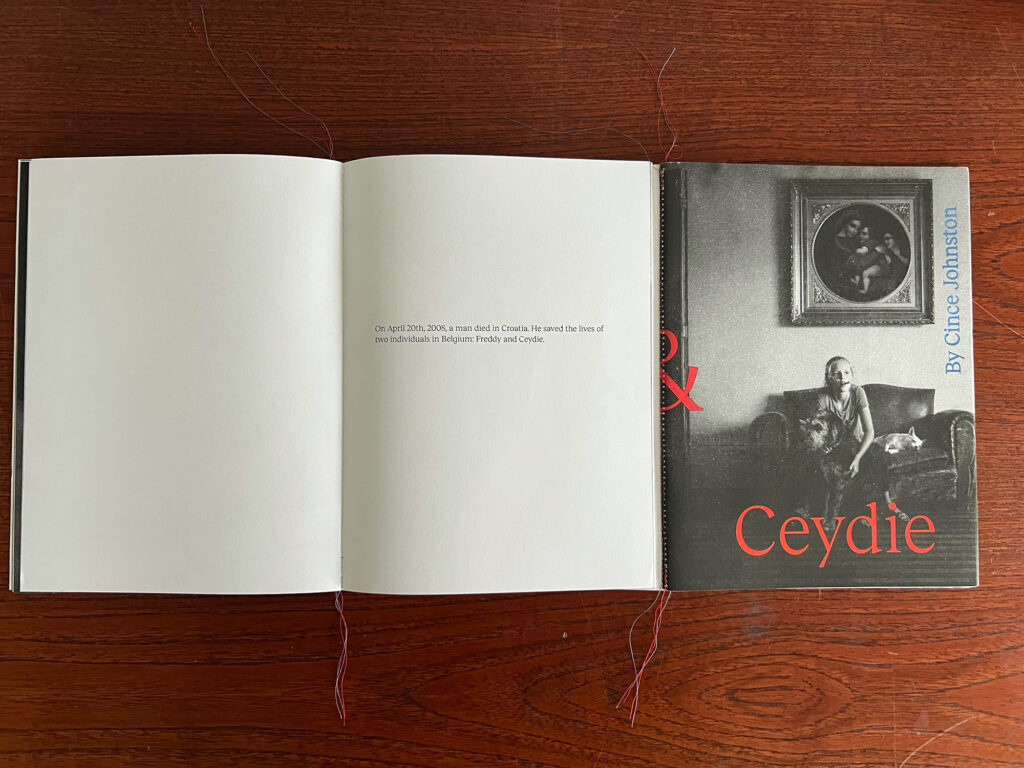
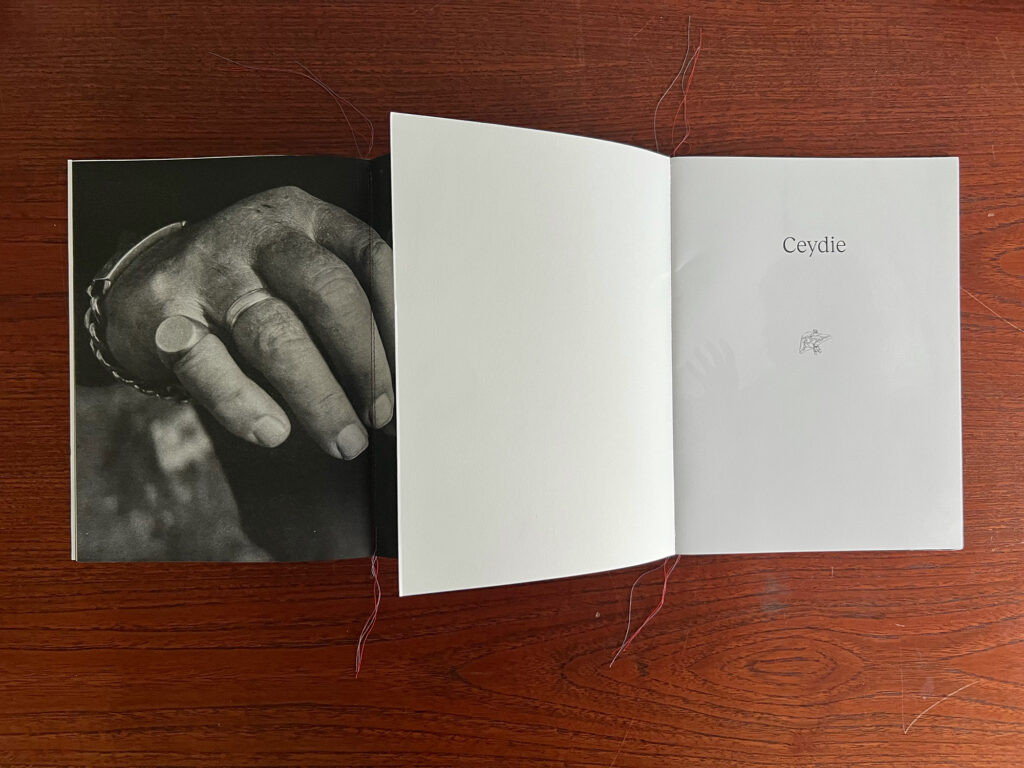
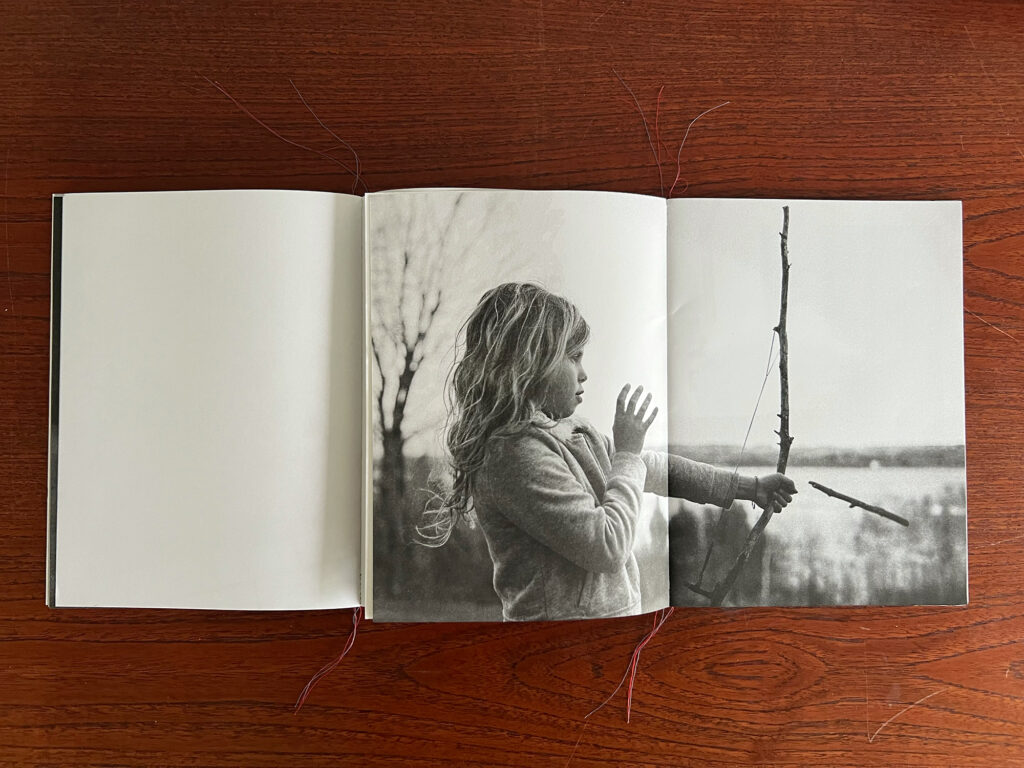
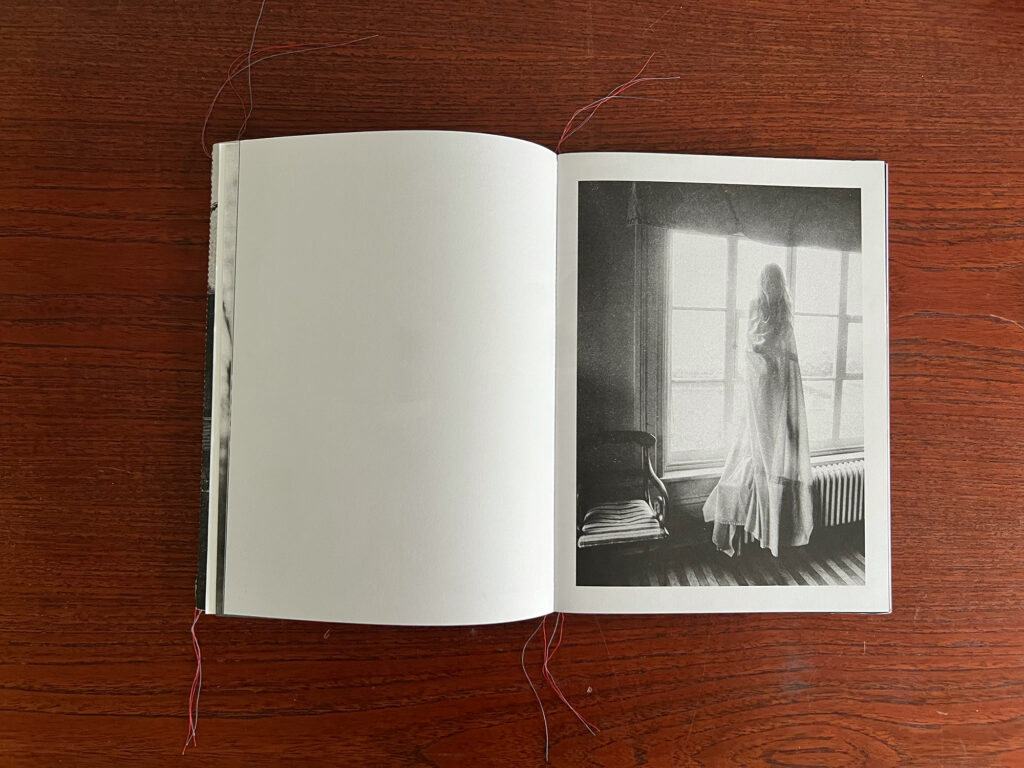
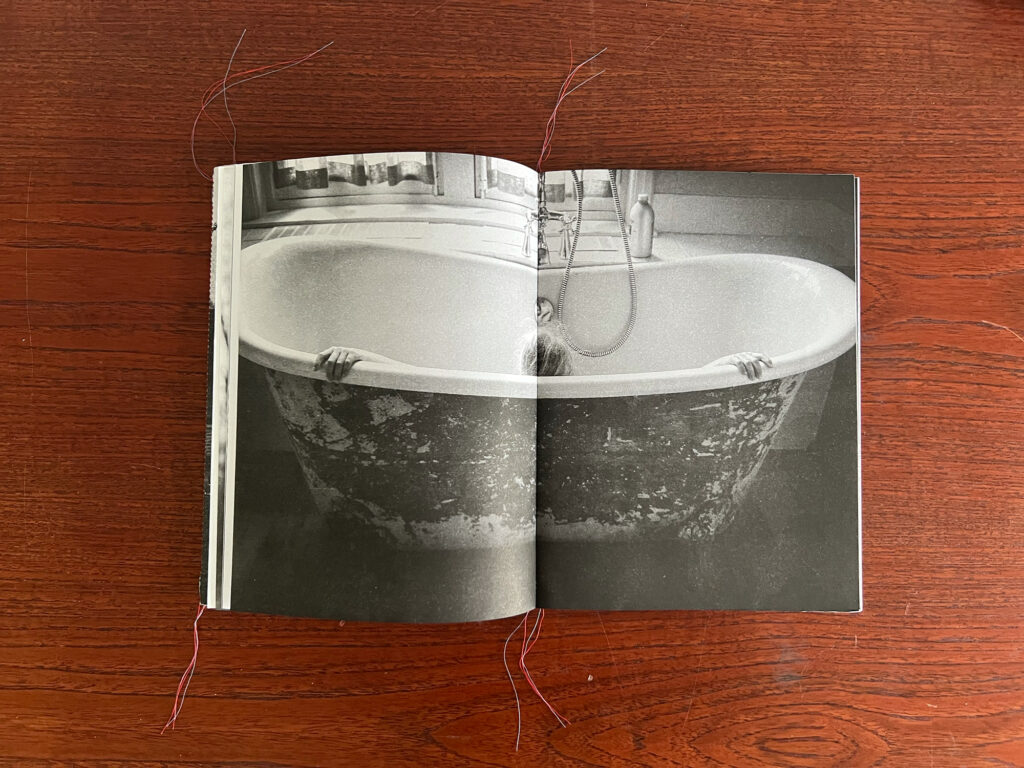
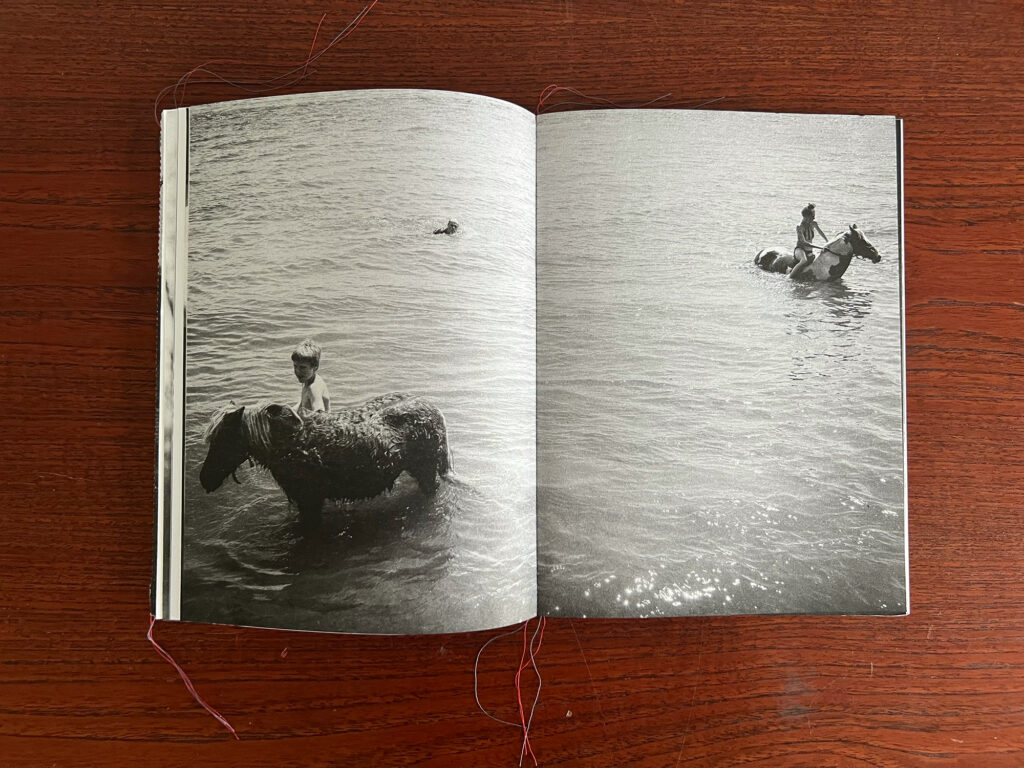
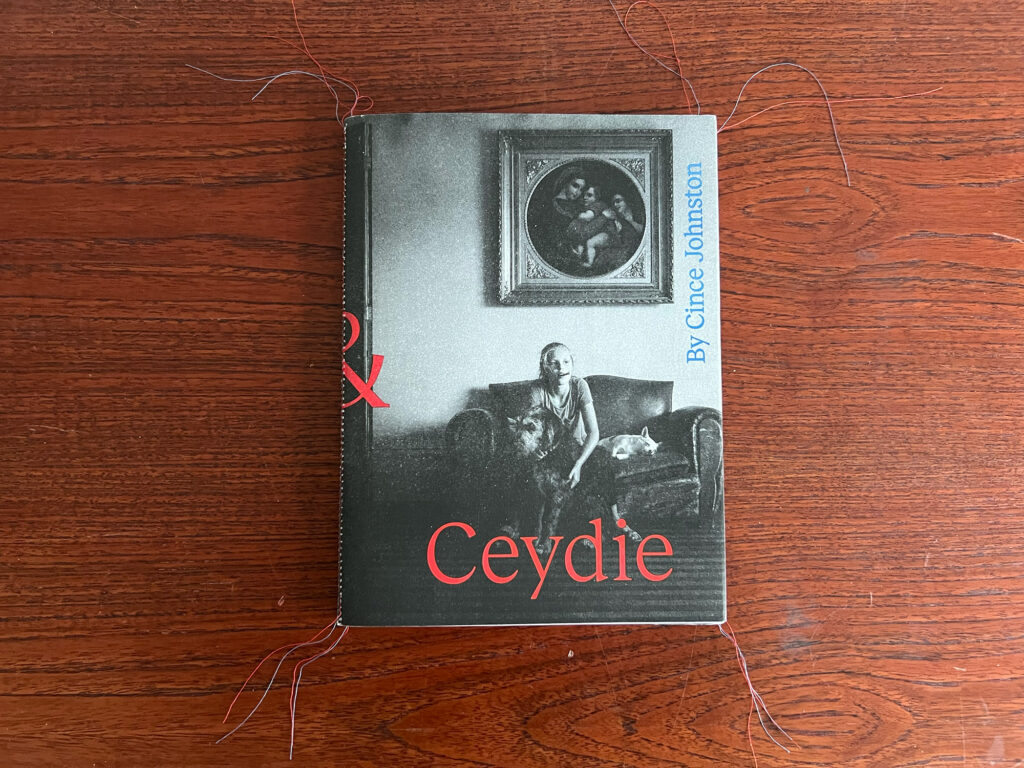
Comments/Context: Freddy and Ceydie, the second photobook by Flemish-Canadian artist Cince Johnston, offers a powerful and moving visual account of two distinct lives shaped by organ transplantation from a single donor. Johnston uses her lens to explore the profound connection between two strangers linked by a shared medical history. The artist writes: On April 20th, 2008, a man in Croatia died. As part of his post-mortem legacy, he saved the lives of two individuals in Belgium—my daughter’s and Freddy’s. Ten years after their liver transplants, through this strange fate of a shared organ, they met one another for the first time—Ceydie aged 13 and Freddy aged 75—Freddy agreeably; my daughter with pubescent protest.
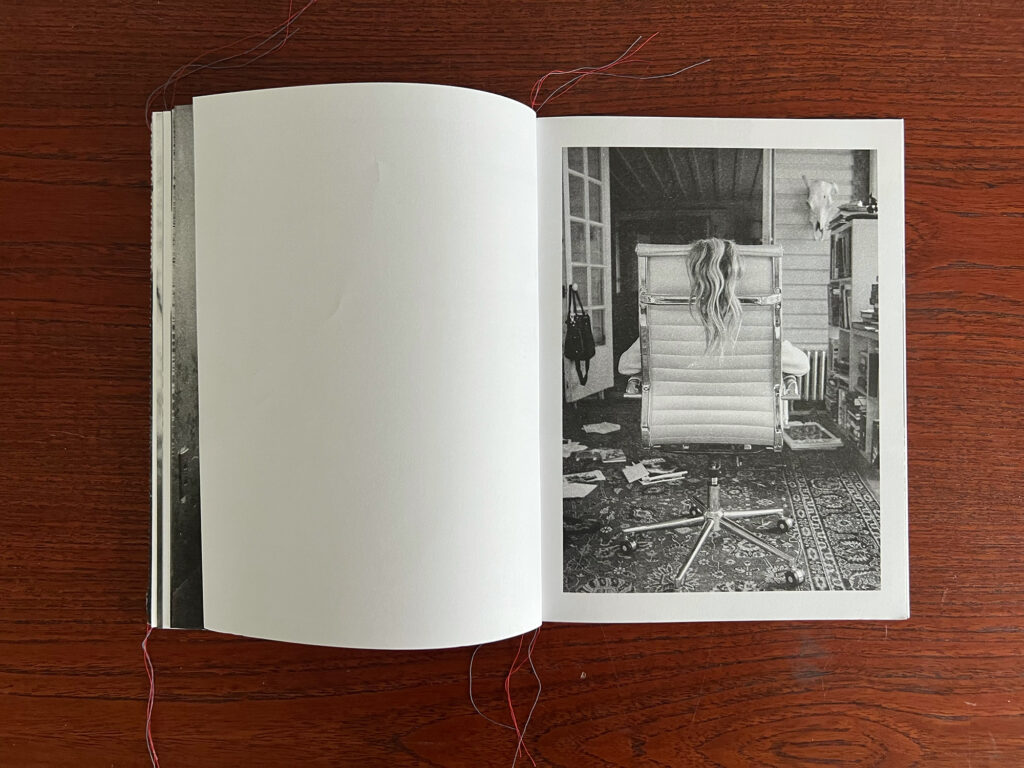
The photographer examines both recipients’ lives, long after their transplants, through distinct lenses of accessibility. In the case of Freddy, Johnston was granted five days of unrestricted access to photograph him a decade after his procedure. For Ceydie, the artist’s own child, the access was daily and intimate, documenting the nuances of recovery, the growth afforded by a medical miracle, and the inevitable playful yet forceful pushing away of a mother by her maturing child. While Freddy placed no restrictions on Johnston’s “microscopic gaze,” Ceydie established clear boundaries: “a photo a day (not retroactive), and sometimes only a body part.”
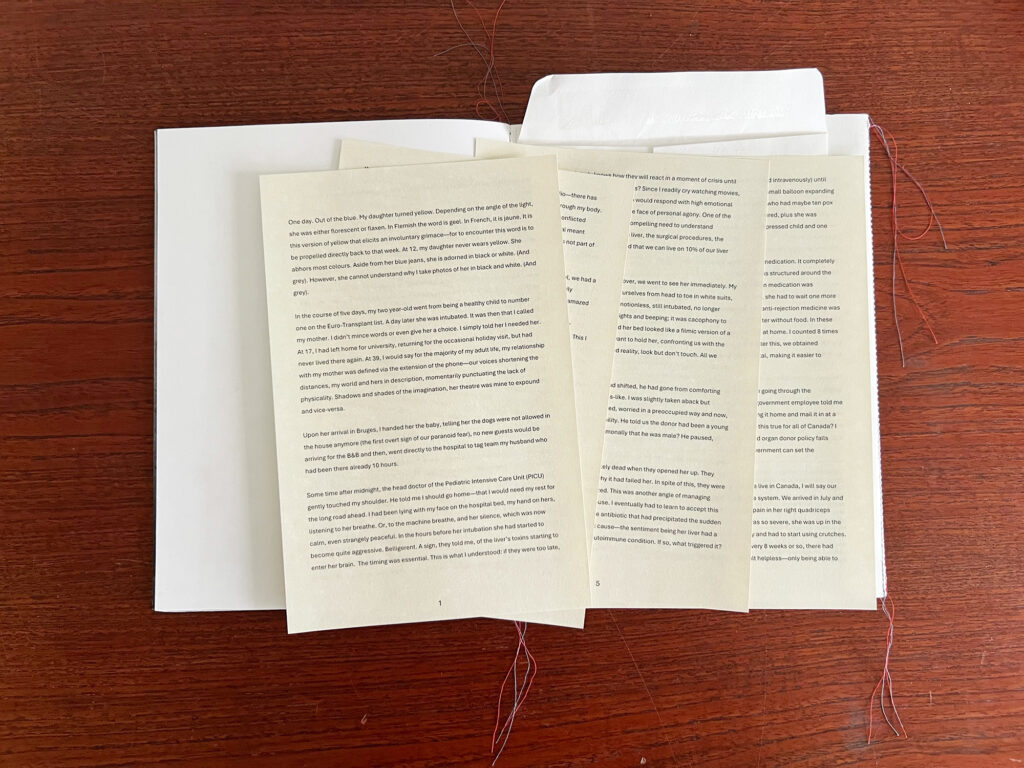
The physical structure of the photobook reflects its thematic depth, bound in dos-à-dos style in which the binding creates two separate books that are bound together and share a back cover, with their front covers facing opposite directions. The form of the two books stitched together yet opening in opposite directions serves as an apt metaphor for how the separate individuals are conjoined by a shared donor while remaining vastly different. The layout forces the reader to engage with the two halves of the book separately, mimicking the dual nature of this shared life force, with Freddy’s sequence on the left and Ceydie’s on the right. Attached on the backside of the dos-à-dos book is an envelope containing several unbound sheets of warm toned paper with writing, each page numbered. The writing tells the story of Cince’s grueling experience watching her child fall ill, learning about organ failure and transplant eligibility, the long road they had to healing and health stability. The text is vulnerable, honest, and from my vantage point as a chronically ill patient undergoing long term treatment, totally necessary.
The object’s deliberate stitchwork is a thoughtful aesthetic detail of the photobook and its artistry. The thread is multicolored, red and blue, and the tails of the stitching are left long, whimsically flowing over the top and bottom ends of the book’s spine. The colors serve as echos of diagrams of the body’s arterial system, often depicted in red and blue for contrast. The volume of the thread, both its color and length, serves as a reminder of the cutting and stitching that was part of Freddy and Ceydie’s past, and is ultimately unseen here, yet inextricable from their experience of organ transplantation. Near the end of Ceydie’s side of the photobook, a page of brief text reveals: In the confluences of science and art, the Flemish surgeon and the Flemish artist work, heads bent, deft hands threading, both giving life. In fragility and in resilience. In the strange fate of magical meetings. From beginning to end. Ceydie’s liver transplant took eleven hours. From beginning to end, the making of this lacework took eleven hours.
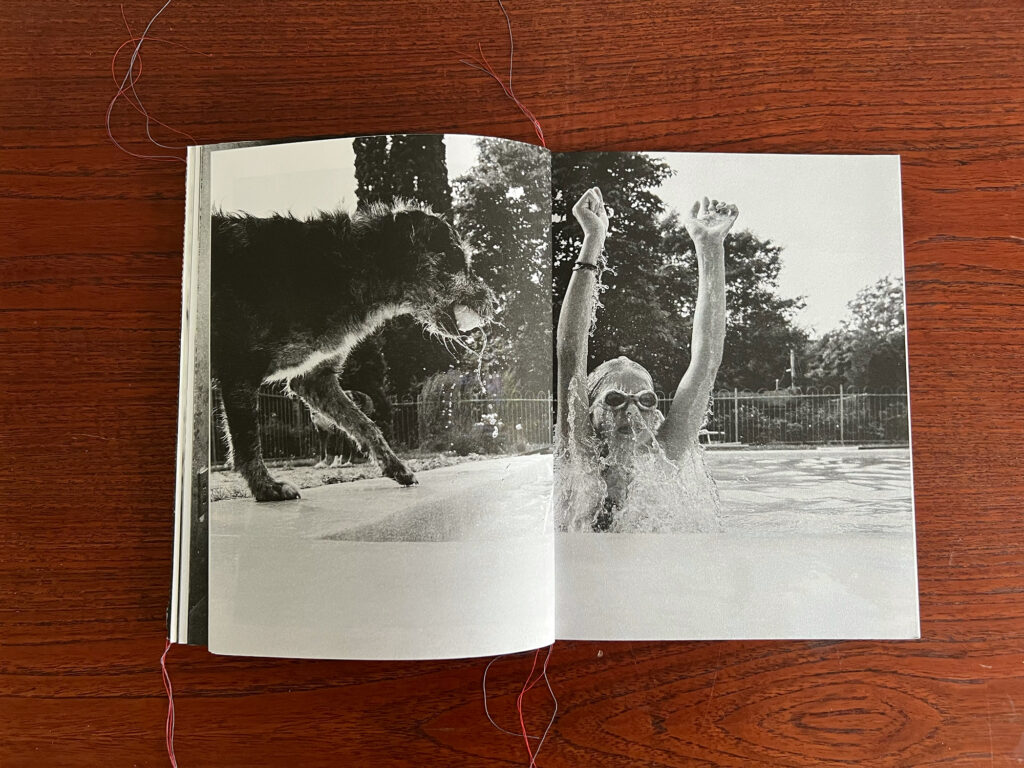
Freddy & Ceydie is printed using a single black color drum ink on a Risograph printer. Risography, while not new, is an increasingly popular, eco-friendly printing method for photobook printing. It uses vibrant, soy-based inks and individual color drums to create distinctly textured prints. In Freddy & Ceydie the stippled Risograph texture imbues the photographs with an additional energetic force: whether it be Ceydie shooting a twig via a makeshift bow and arrow or playing in the pool while the family dog is on lookout; or Freddy candidly seen feeding his chickens or closely cropped holding his necklace. The printing further invigorates the life-force that is charged by the underlying theme of the photobook.
Johnston’s photographs are characterized by a quiet, respectful, and contemplative gaze. Whether documenting a near-stranger like Freddy or her own child, she treats both subjects with equal veneration. Notably, she avoids forced parallels; while the two met once, Johnston wisely omits that photograph of the two together from the monograph. Instead, the reader must rely on the book’s form and content to understand that their primary link is a shared donor and the resulting emotional connection. The images serve as a humanistic argument for the inherent value of both lives. By showing Freddy and Ceydie living fully, supported by the detailed narrative of Ceydie’s medical journey nestled into the back of the book, the artist successfully humanizes the often abstract or even intimidating concept of organ donation.
Freddy and Ceydie is a photobook that offers dual documentation that acts as a symbolic tribute to the anonymous Croatian donor whose death enabled lives to continue and united strangers. Johnston offers a photobook that can be experienced as a pure visual narrative or a hybrid image and text work, but in either reading, her underlying message remains firm. The project invites viewers to reflect on the personal impact of transplantation, their own role in the global process, and the broader implications of national organ donor policies.
Collector’s POV: Cince Johnston does not appear to have consistent gallery representation at this time. As such, interested collectors should likely follow up directly with the artist via her website (linked in the sidebar).