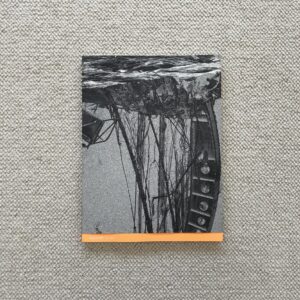
JTF (just the facts): Published in 2025 by MACK Books (here). Softcover (17 x 23.5 cm), 160 pages, with 52 color and black-and-white photographs. Includes texts by the artist, and a booklet insert with French translations of all of the texts. Design by Brian Paul Lamotte. (Cover and spread shots below.)
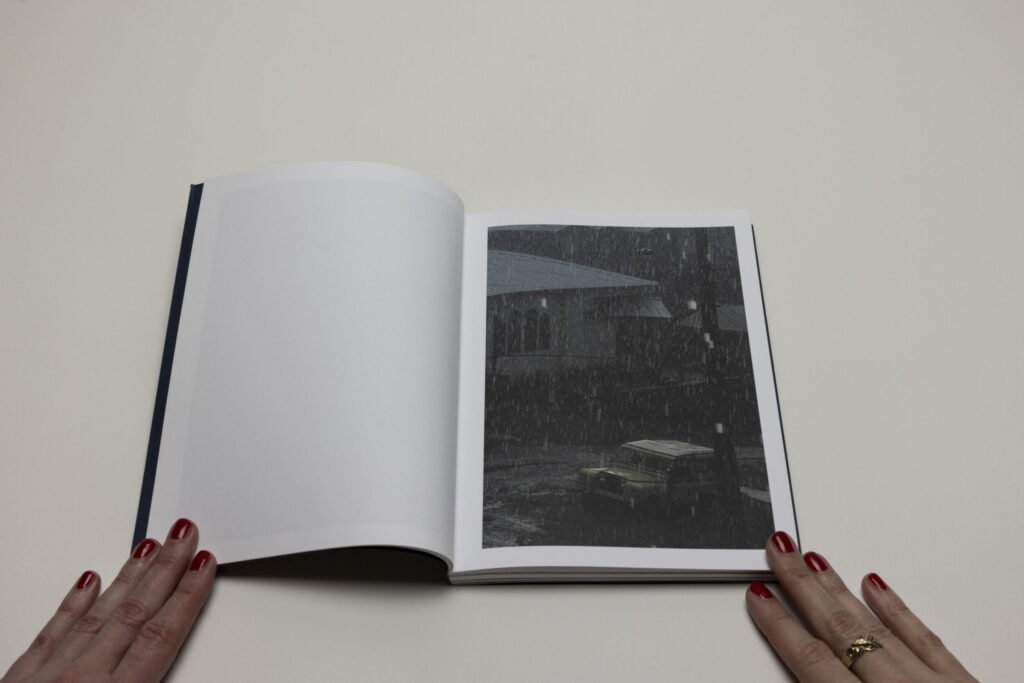
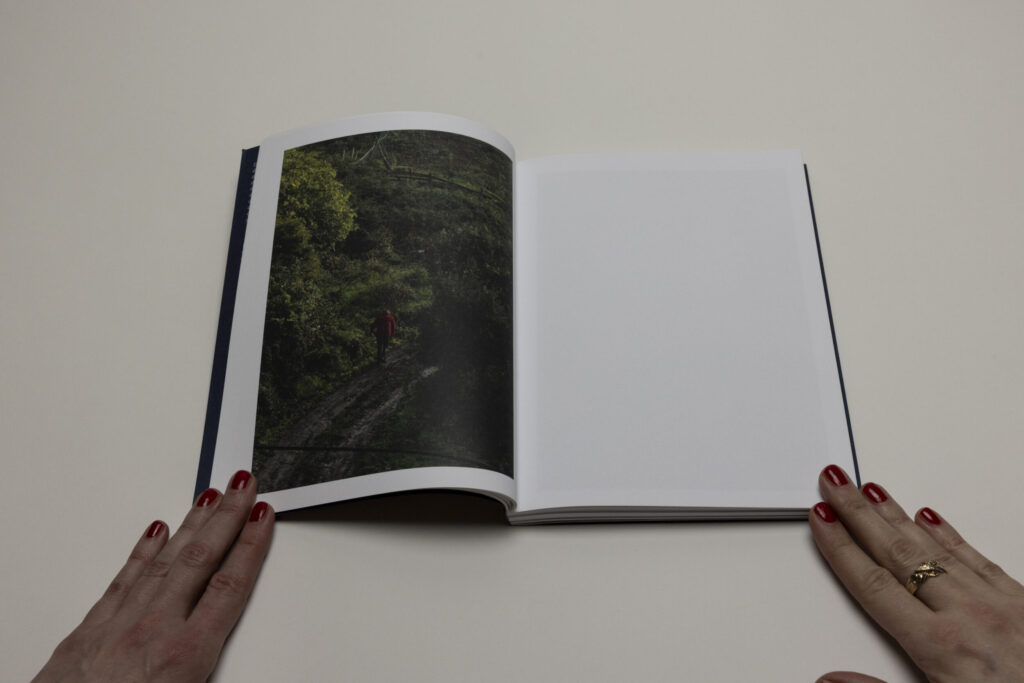
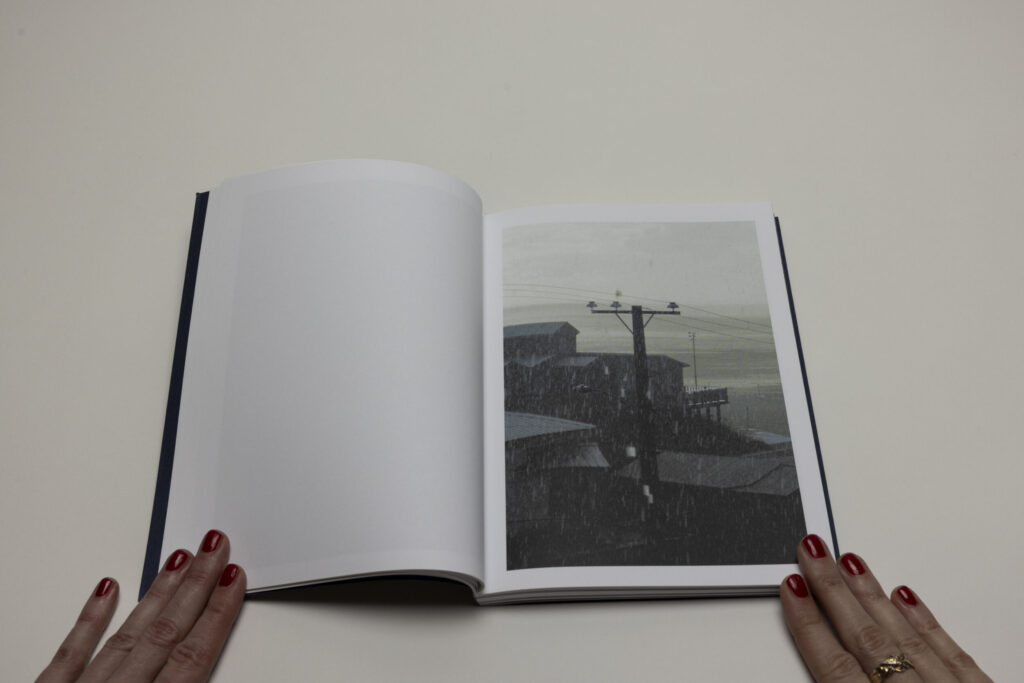
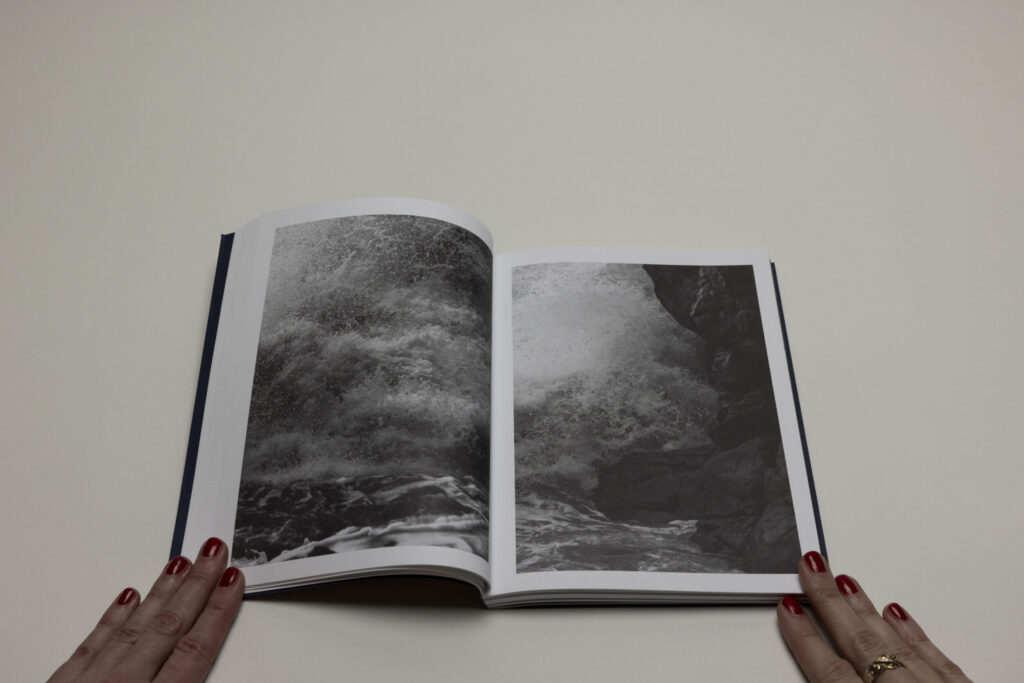
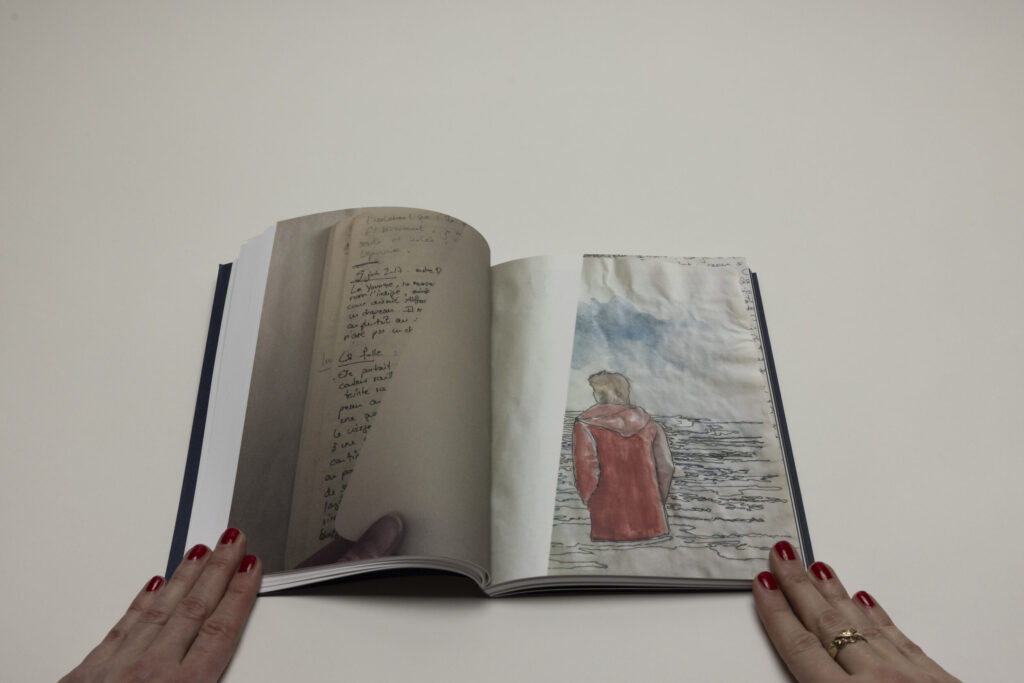
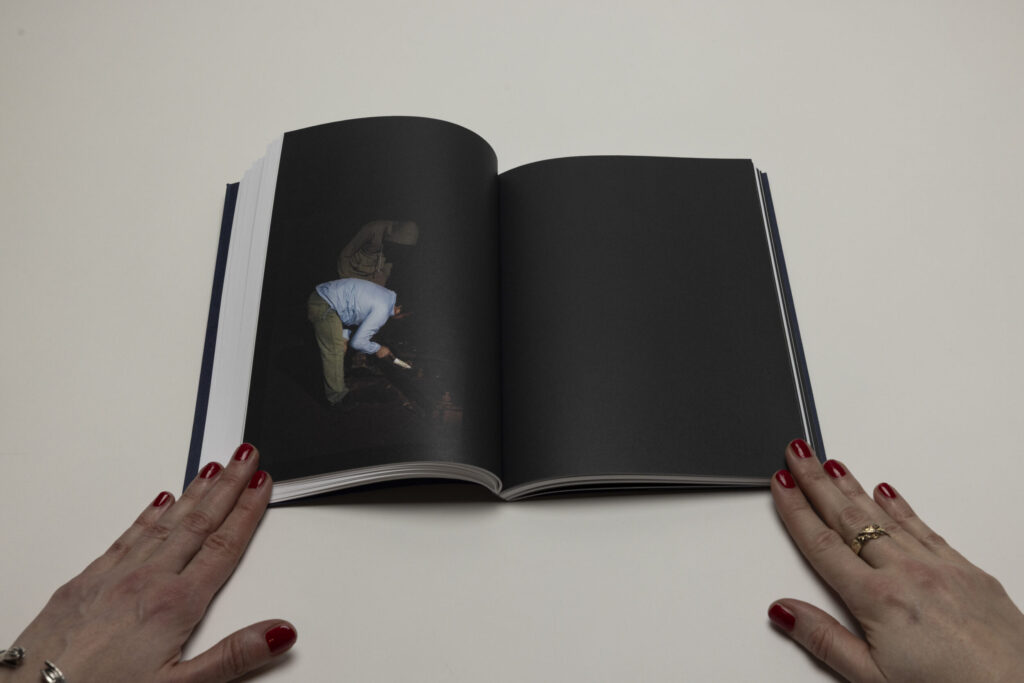
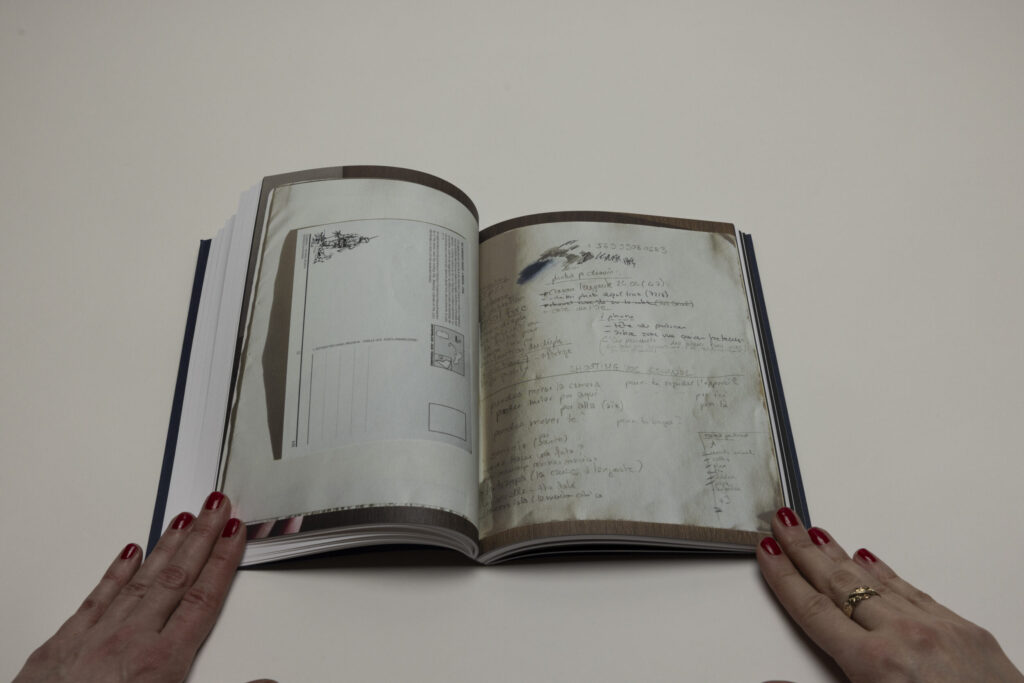
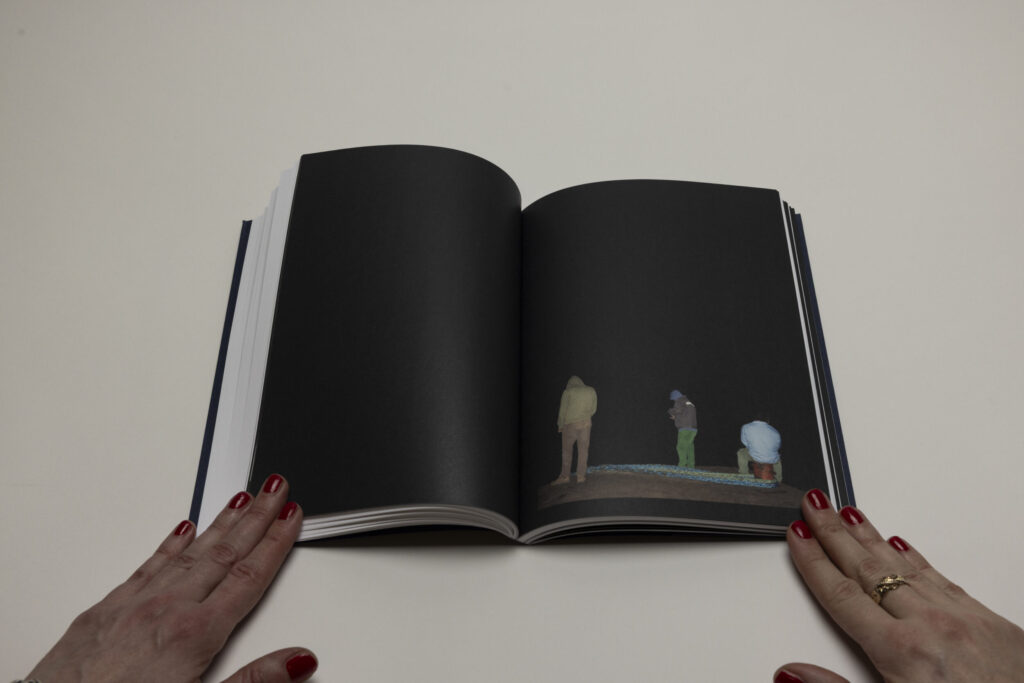
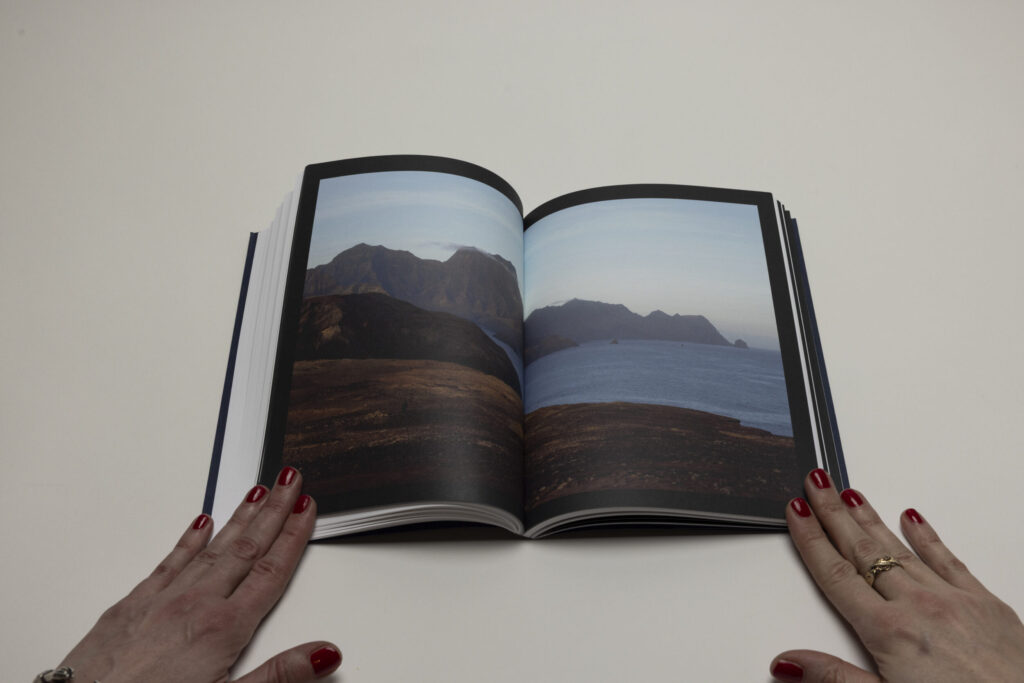
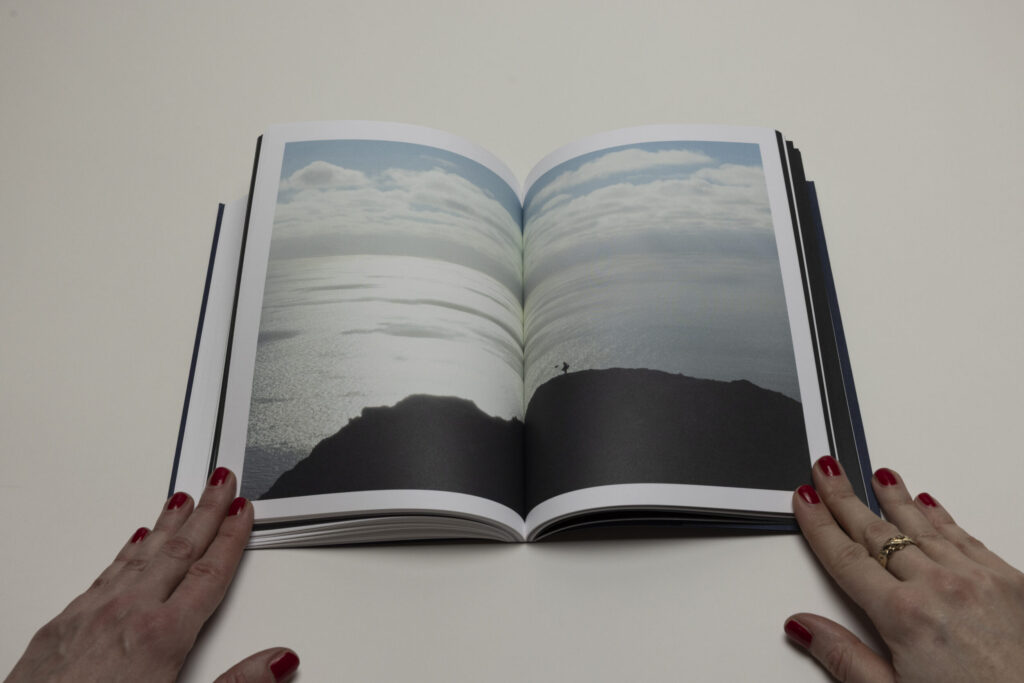
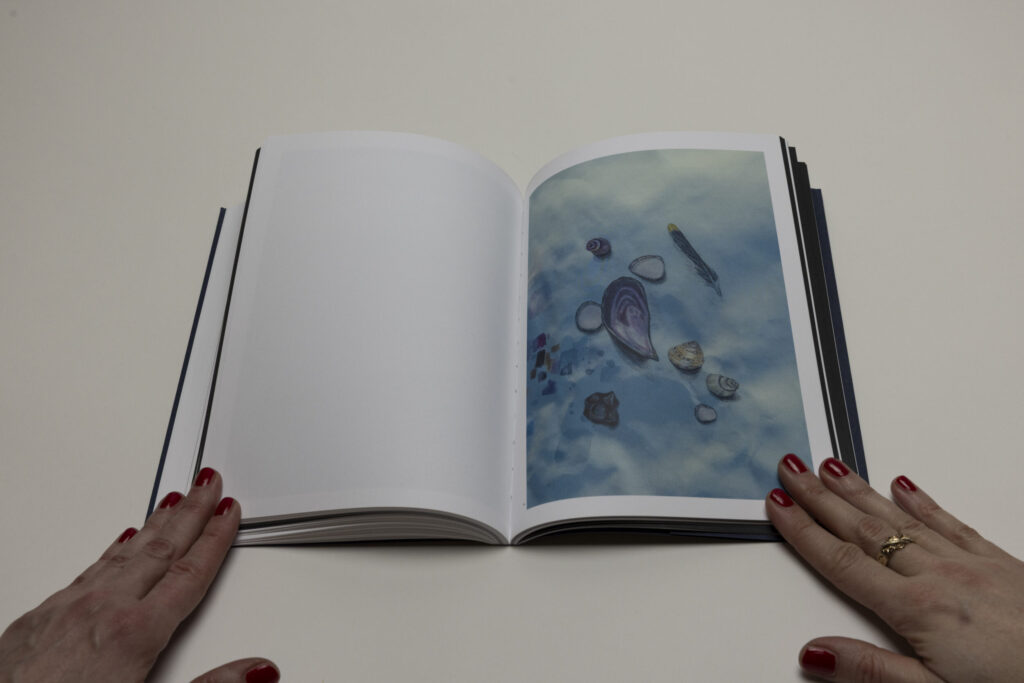
Comments/Context: La Casa Isla, by the Swiss artist Anne Golaz, unfolds like an intimate voyage through a place suspended between myth and reality, melding documentary, fiction, prose, and pictorial artistry into one seamless exploration. Rooted in Golaz’s time spent on the remote island off Chile that inspired the legendary shipwreck in Daniel Defoe’s Robinson Crusoe, the narrative draws from visceral landscape images made during the production of Stéphane Goël’s 2018 documentary film ”Insulaire”. But where Goël captures a cinematic portrait of place, Golaz harnesses memory, solitude, and imagination to construct a deeply personal meditation. The result is neither straight reportage nor full-blown fiction; the project lives deliberately in the tension between the two. Golaz portrays the island as both sanctuary and cage, a site of hope, exile, transformation, and emotional gravitas.
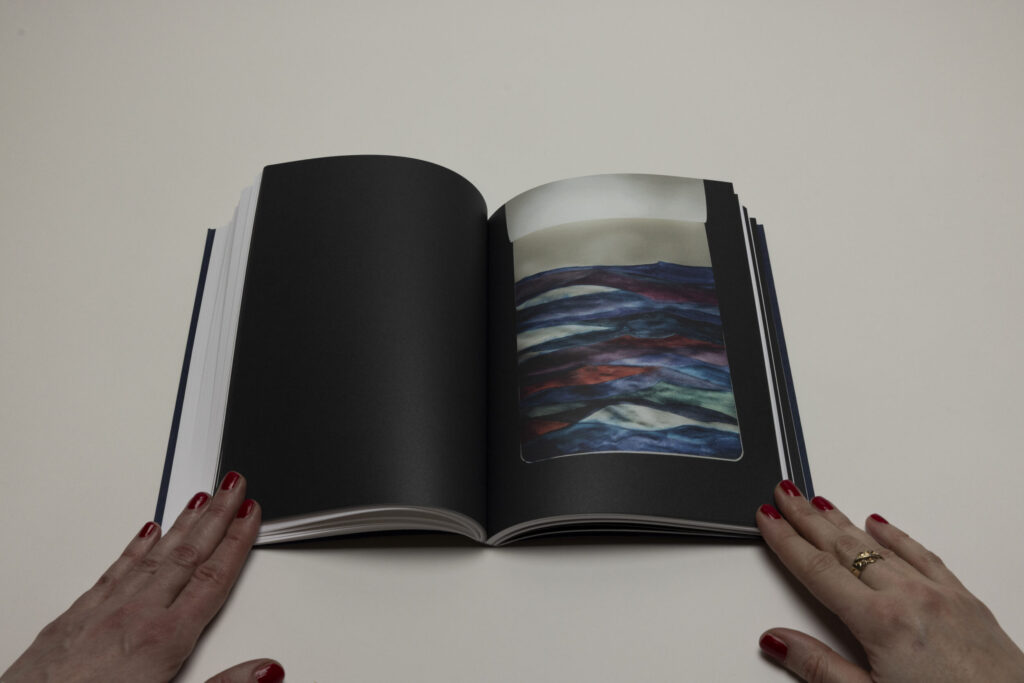
La Casa Isla opens with a sensory immersion into place: images and text intertwine to evoke textures of memory and mortality. Golaz’s photographs are at once intimate and atmospheric, capturing the island’s unspoken voice through washes of light and shadow. These are interspersed with delicate watercolor illustrations and handwritten sketchbook fragments, lending the work a layered, tactile quality. Together, these visual elements provide a gentle sense of the island’s changing character. In one scene, as dusk settles over the cliffs, a few brief lines reference themes of parting and shifting tides.
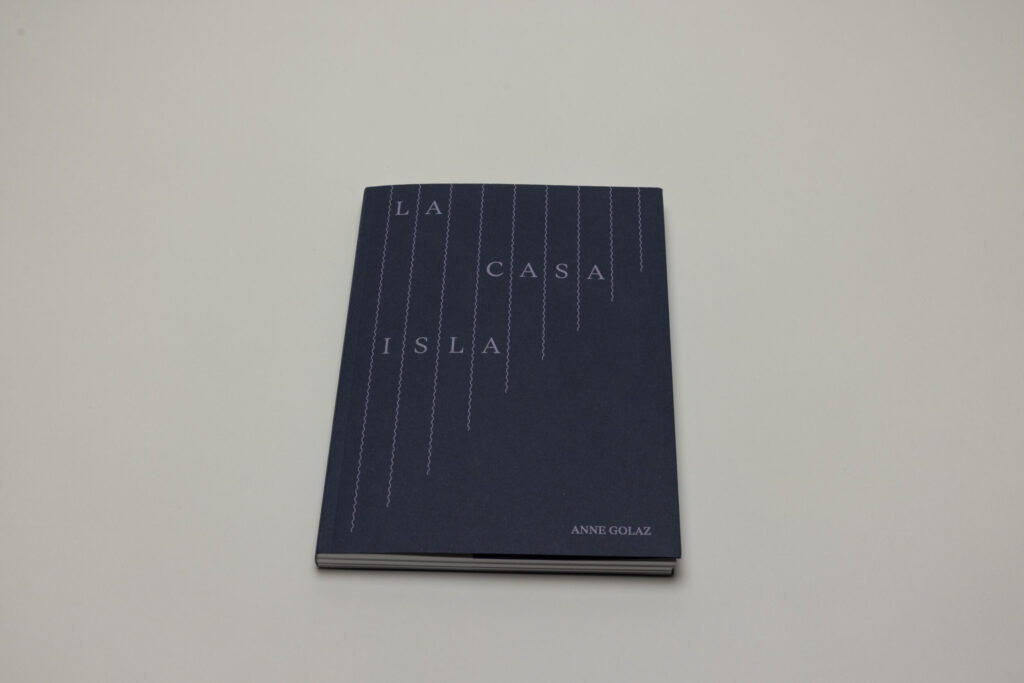
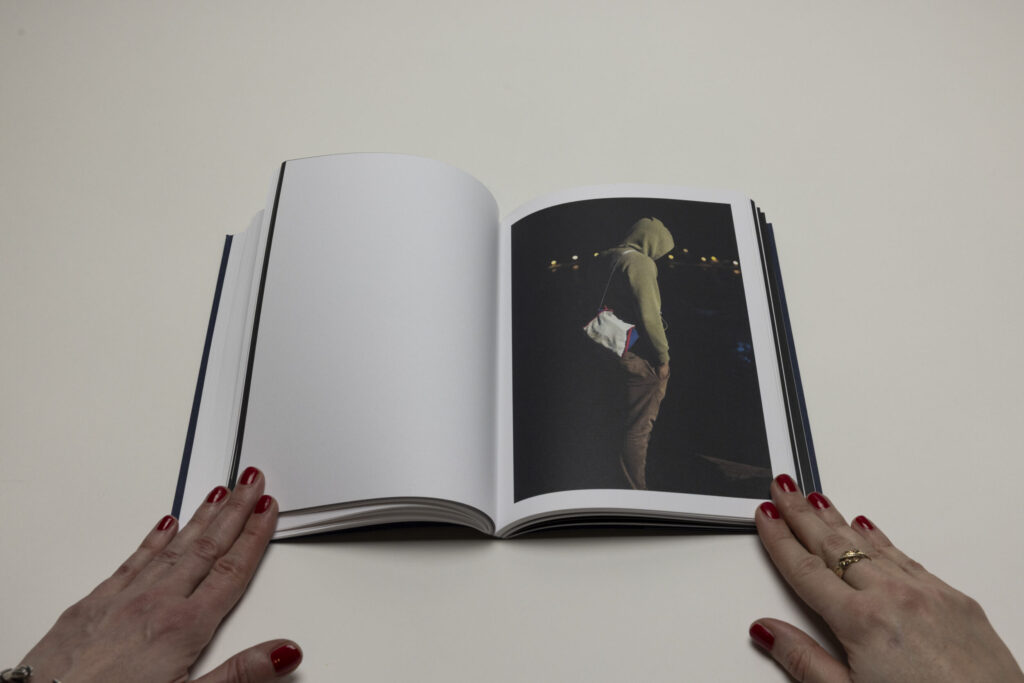
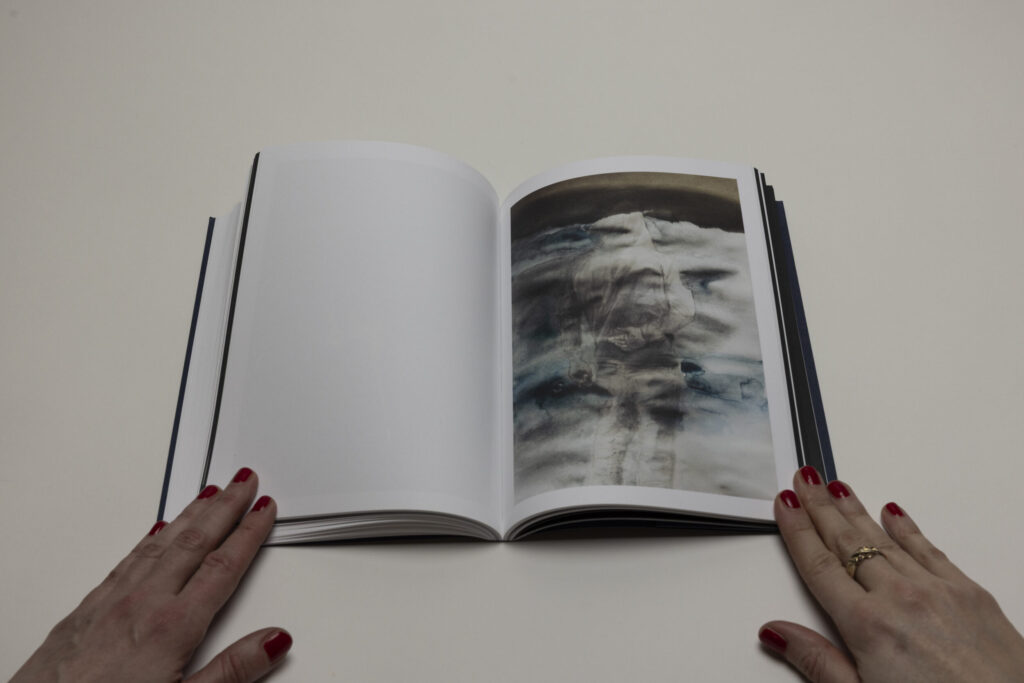
La Casa Isla is a softcover book with a quietly striking design. Its cover features delicate wavy lines in pale pink that run vertically from top to bottom, subtly evoking the movement of water and hinting at themes of solitude and nature. The title, also rendered in pink, is arranged in three clean lines against a deep navy-blue background, while the artist’s name appears in all caps at the lower right corner. Inside, the text and visuals are tightly interwoven, with photographs shifting in scale and placement to guide the rhythm. Three sections are printed on black paper, creating a visual pause, a moment of introspection that mirrors the emotional undertow of the island’s isolation. The book’s size and its layering of visual elements give it the intimate feel of a journal or field notebook.
Golaz uses language that leans toward the poetic without ever becoming opaque. The emotional undercurrent of La Casa Isla is grief, not only personal but universal. The island becomes a locus for loss, exile, and the passage of time. Golaz doesn’t shy away from melancholy; she leans into it, suggesting that sorrow can hold its own form of hope. There’s a cinematic awareness here too, a deep understanding of framing and pacing. Golaz shifts between subjectivity and observation with an artist’s sensibility, inviting the viewer to piece together their own version of the island’s story.
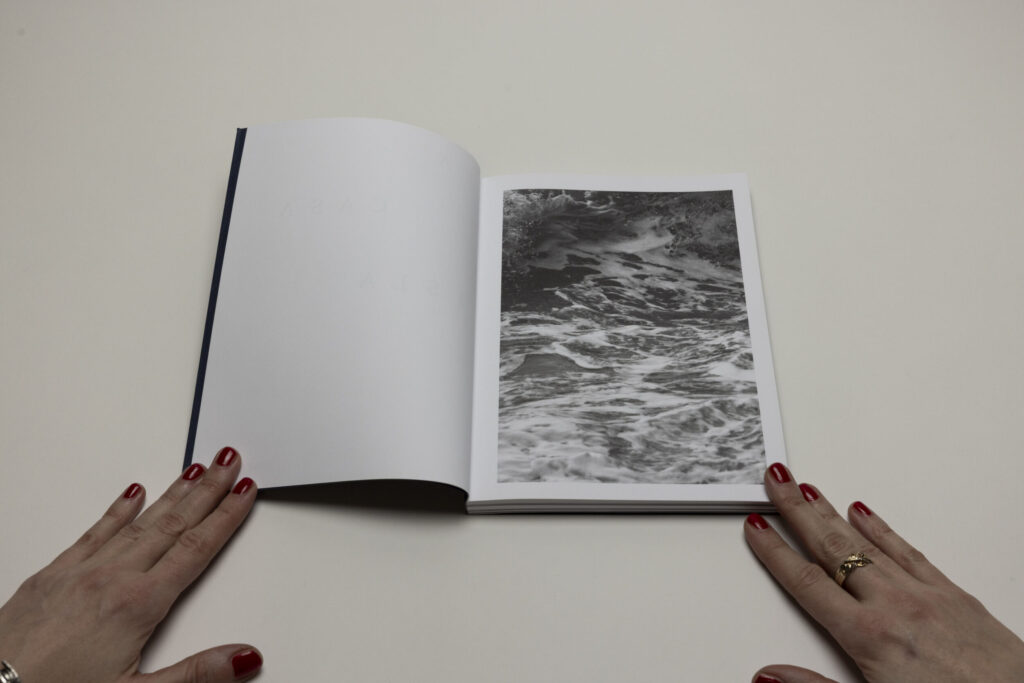
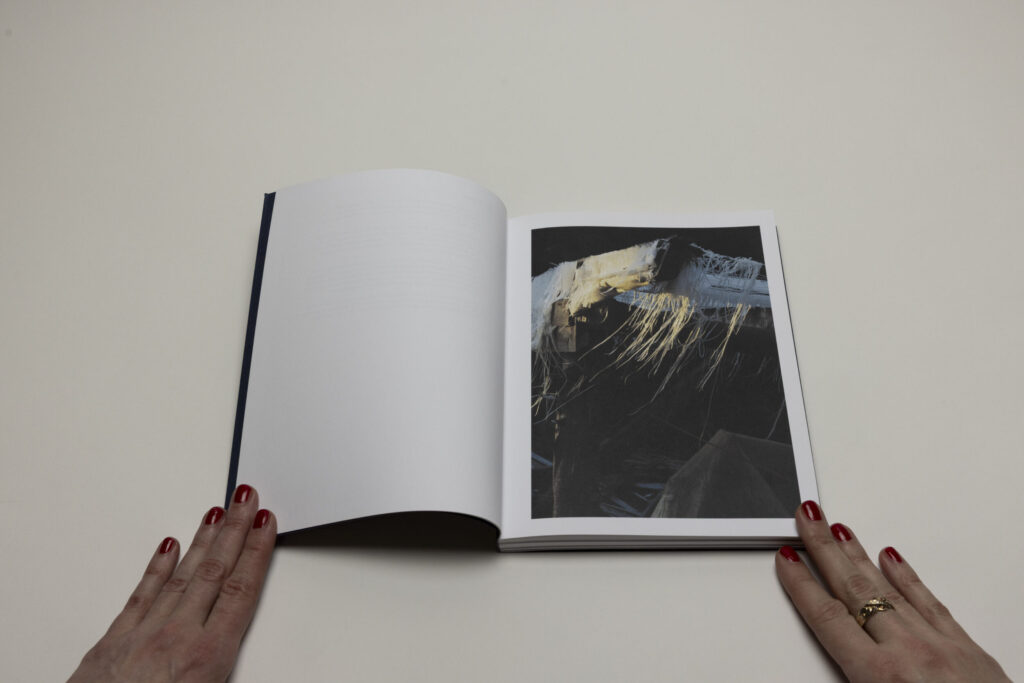
The photographs range from closely observed studies of the island’s landscape to enigmatic portraits and still‑life fragments, but always with an attention to atmosphere. There are images of torrential rains, ocean waves crashing against rocks, fog‑veiled horizons, and the first light of morning. Shots of the island’s rugged terrain alternate with fragments of the “casa”, like a weathered window frame, a dimly lit table, or scraps of handwritten notes. People surface only subtly: a silhouette, a partially cropped figure, presences that feel almost spectral, like echoes of former inhabitants.
Reading La Casa Isla is an exercise in active reception. Golaz’s work insists on being read, revisited, and deciphered. The inclusion of sketched fragments and watercolors creates unpredictability, so there’s no rush. The book’s pacing, its internal shifts between observation and poetry, and between real place and imagined narrative, afford breathing room. We are invited to inhabit the space it creates.
That space sings of solitude, a solitude that is neither comfortable nor alienating but generative. There are moments of visceral beauty: a tide’s edge shimmering with salt, palm fronds trembling in wind, the maze of small dwellings clinging to steep slopes. Yet alongside these images lurks an undercurrent of absence, seen in empty chairs, sketchbook pages turned inward, faint shadows on sand. Through it all, Golaz’s voice remains steady, thoughtful, and unshowy.
La Casa Isla is a elegantly composed meditation on place and emotion. It engages not only the eyes but the heart and mind, marking the territory where documentary observation becomes emotionally resonant storytelling. It delivers a sensorial narrative that rewards both visual appetite and literary curiosity.
Collector’s POV: Anne Golaz does not appear to have consistent gallery representation at this time. As a result, interested collectors should likely follow up directly with the artist via her website (linked in the sidebar.)