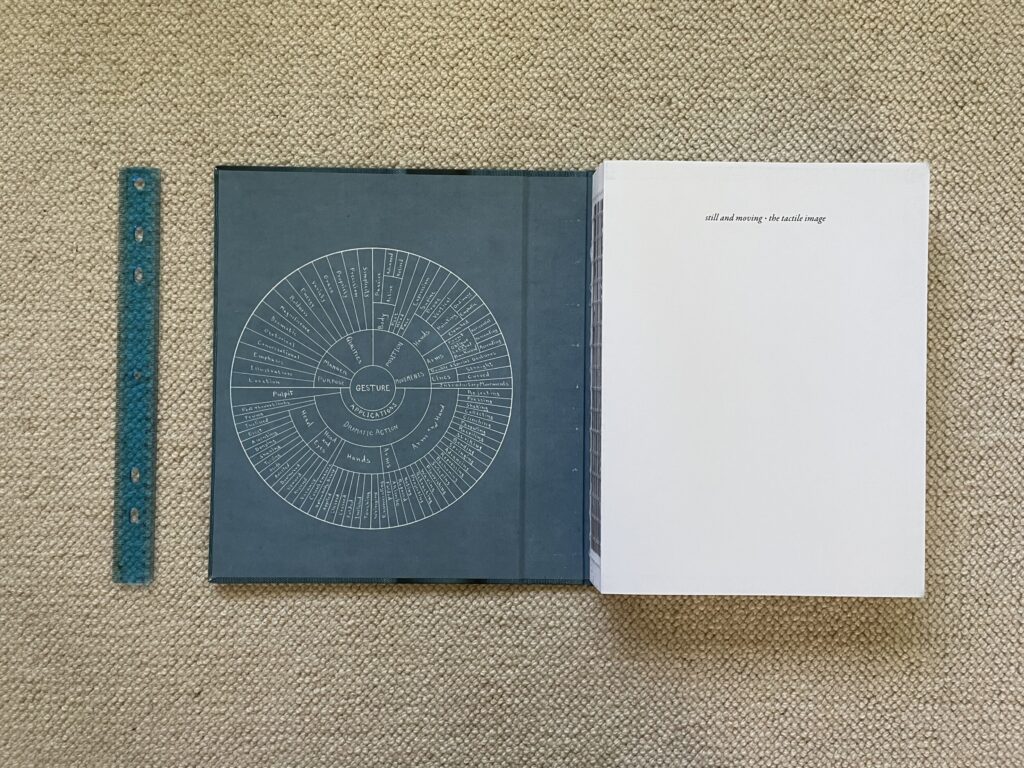
JTF (just the facts): Published in 2026 by the Cleveland Museum of Art, and distributed by Yale University Press (here). Hardcover, 9×12 inches, 320 pages, with 250 color and black-and-white reproductions. Includes an extended essay by Barbara Tannenbaum, texts by William Griswold and the artist, and a thumbnail index of works used in the project. (Cover and spread shots below.)
Published on the occasion of an exhibition at the Cleveland Museum of Art (December 14, 2025 through April 19, 2026 here).



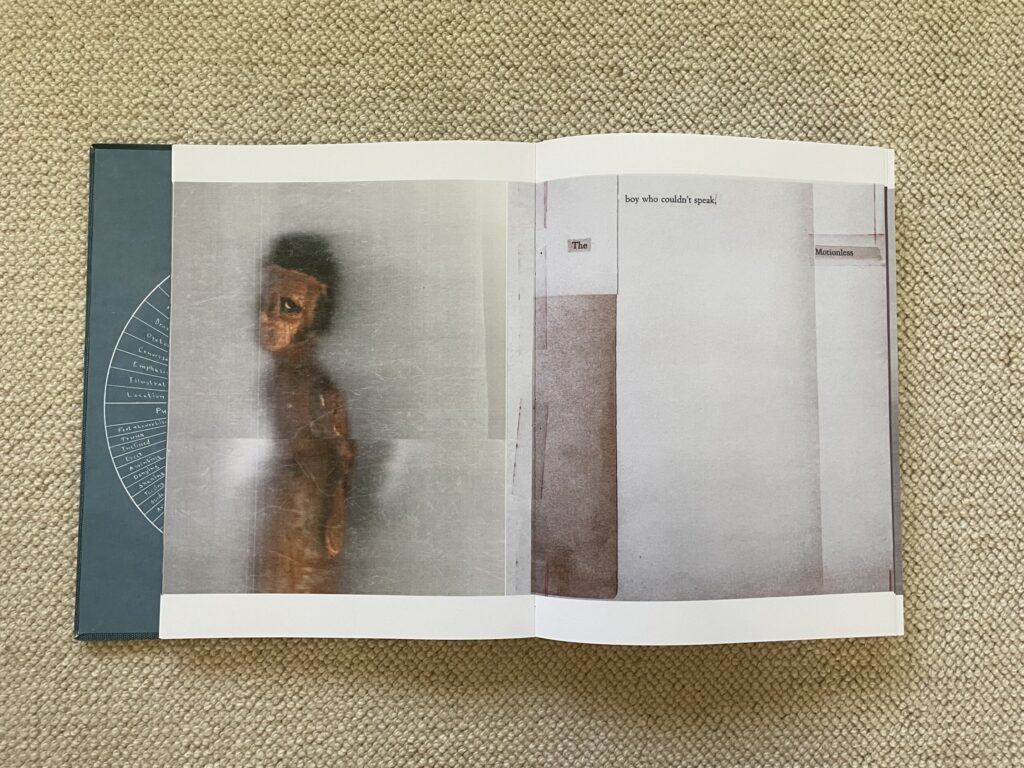
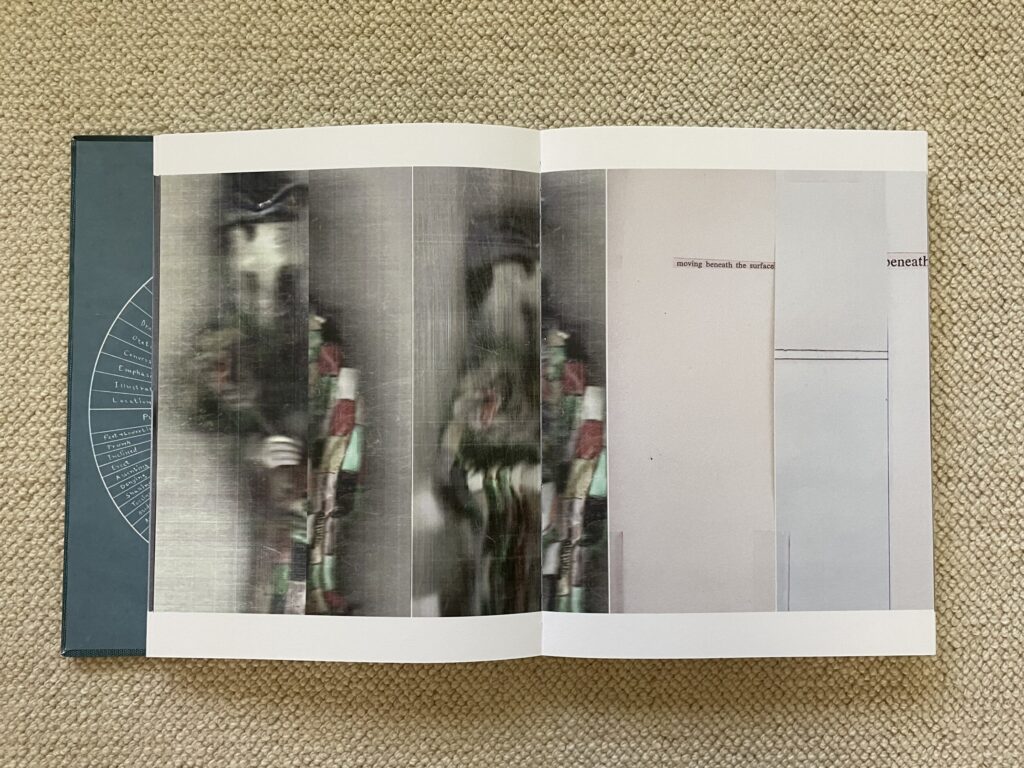
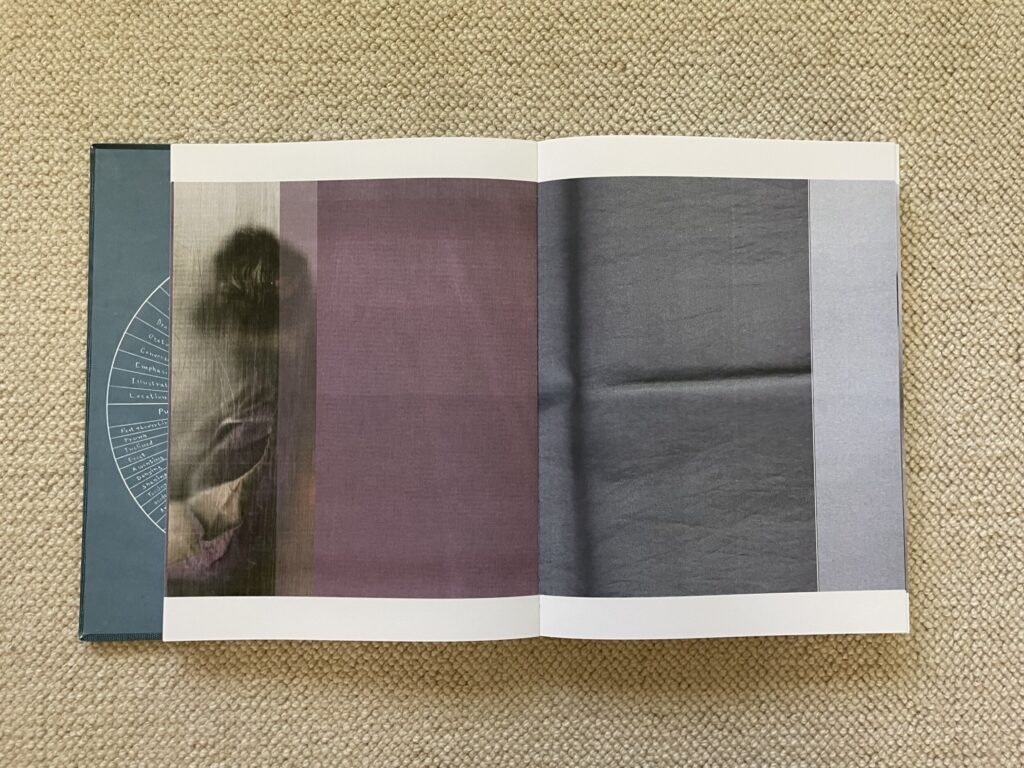
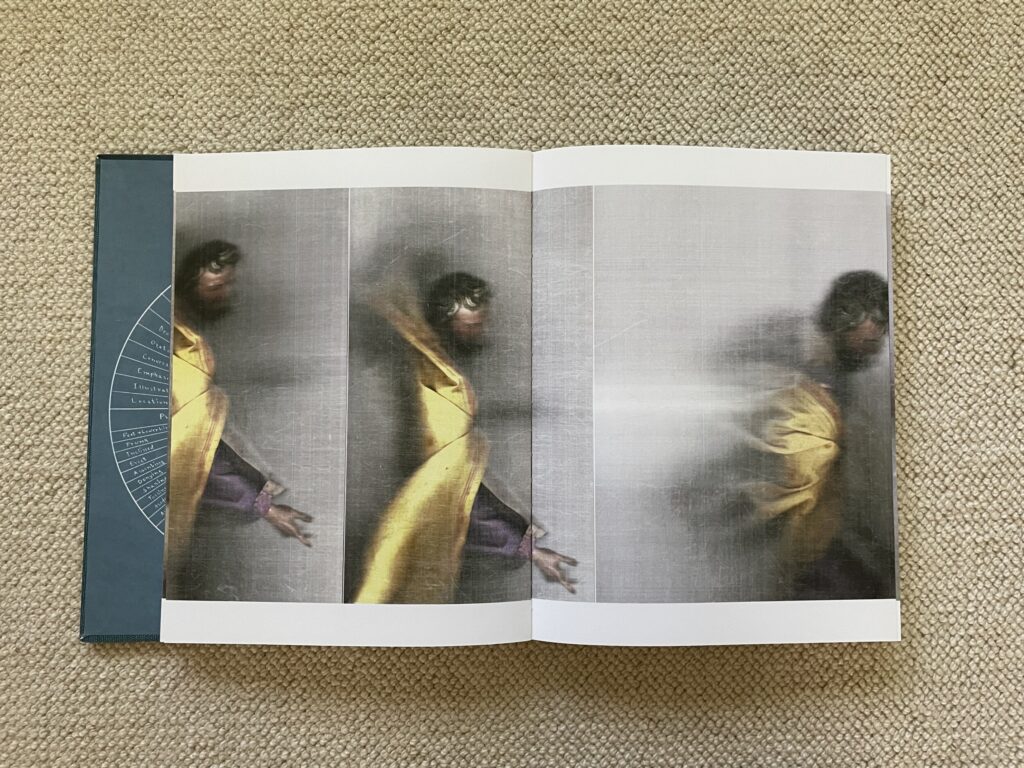
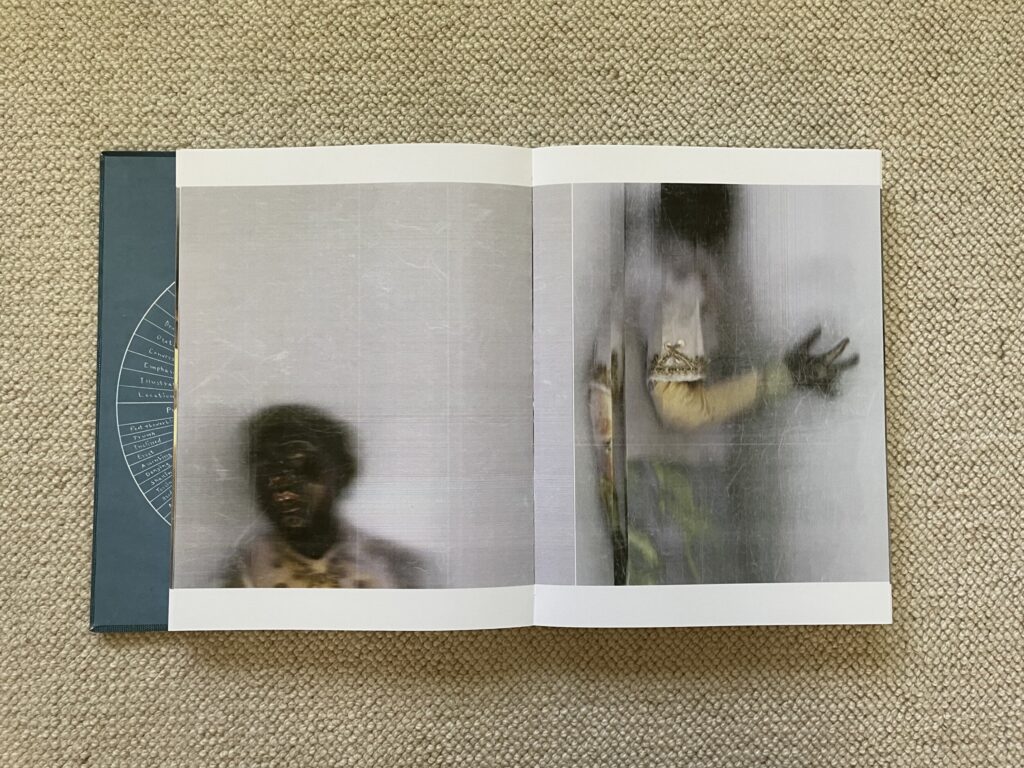
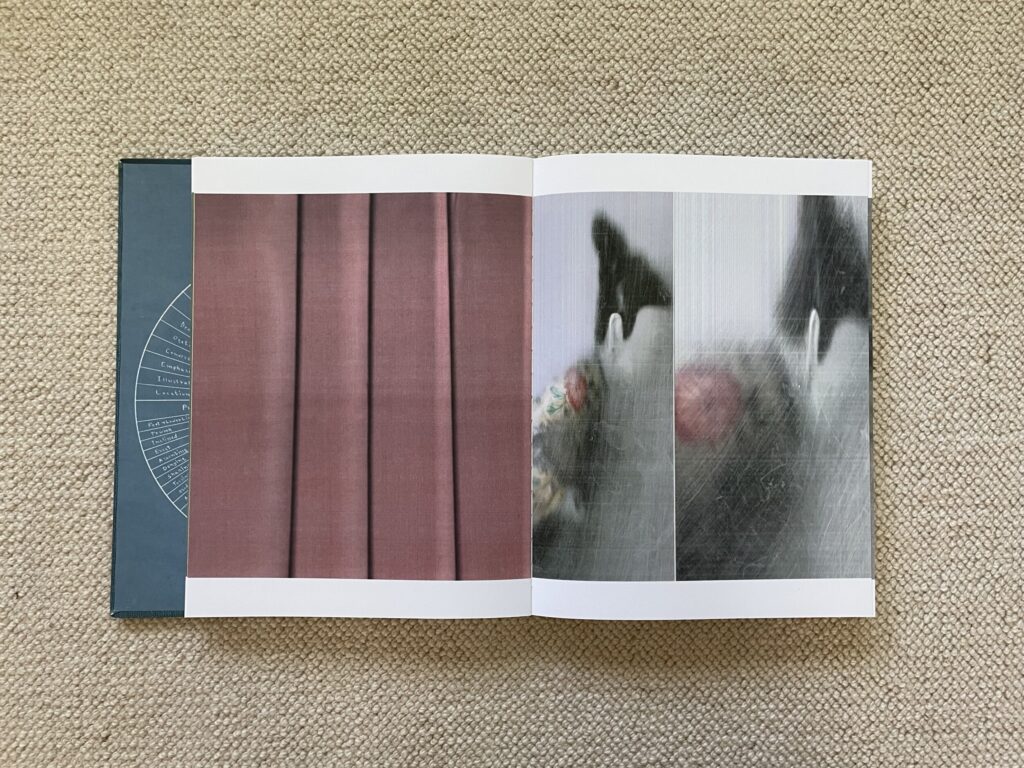
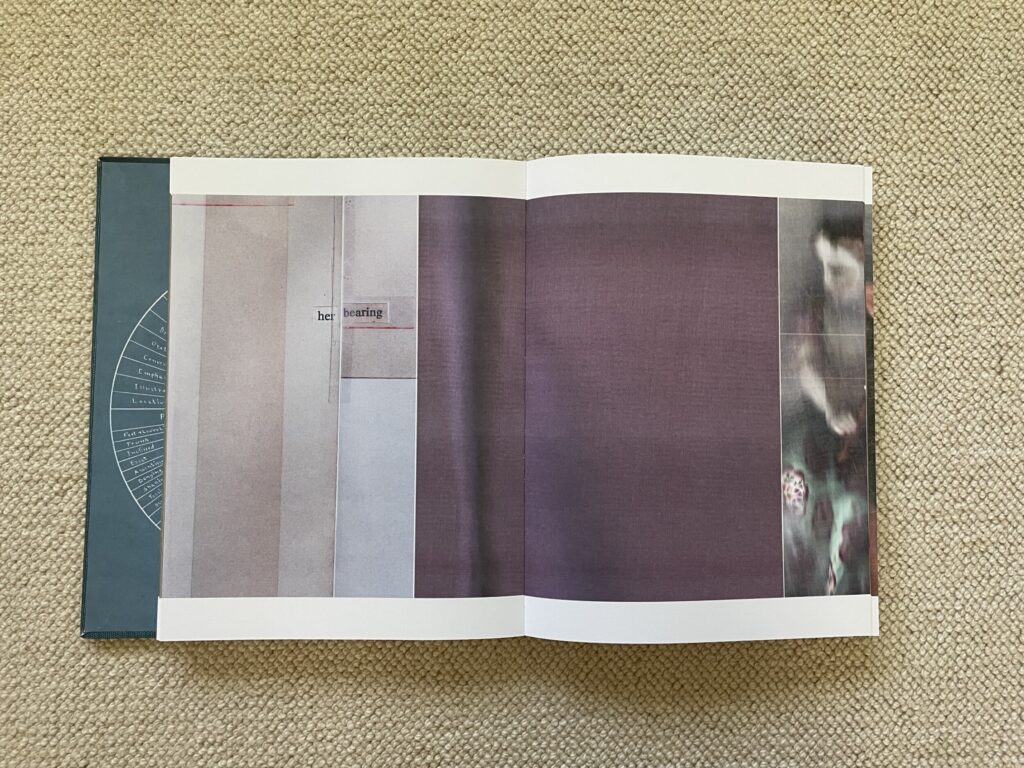
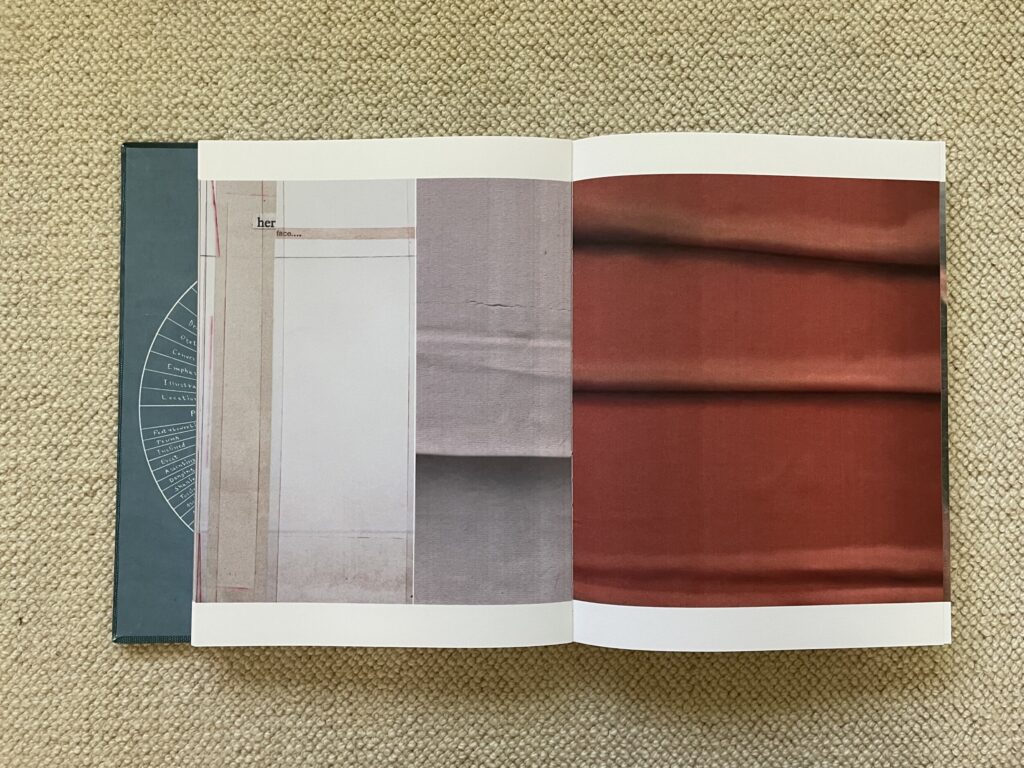
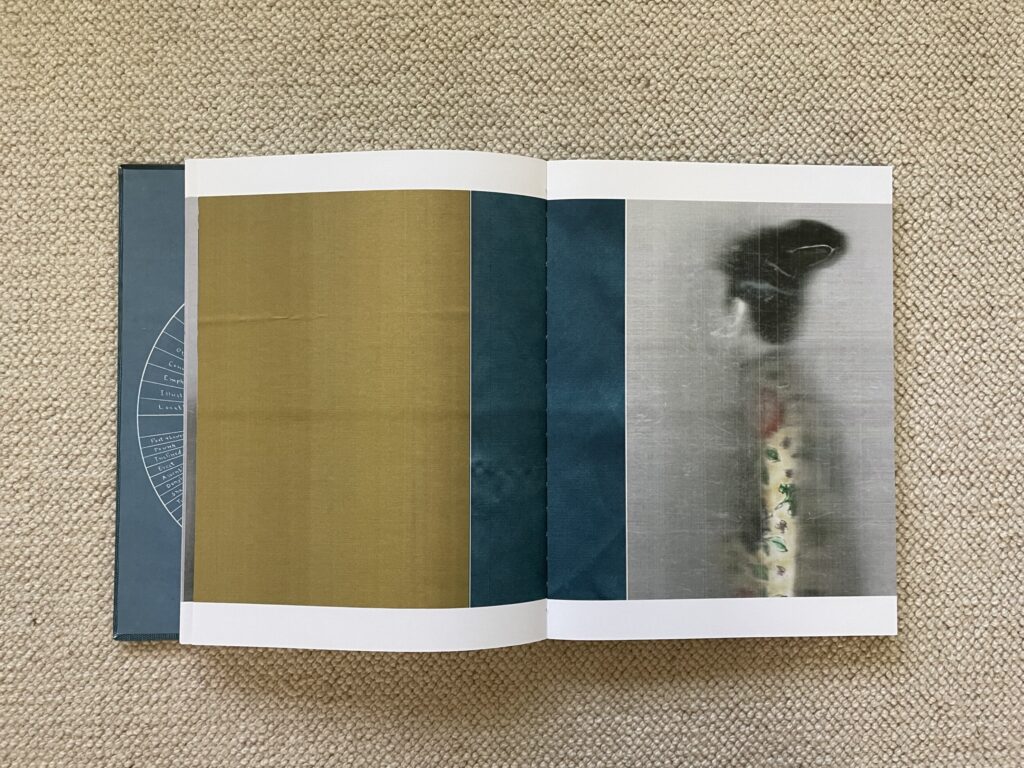
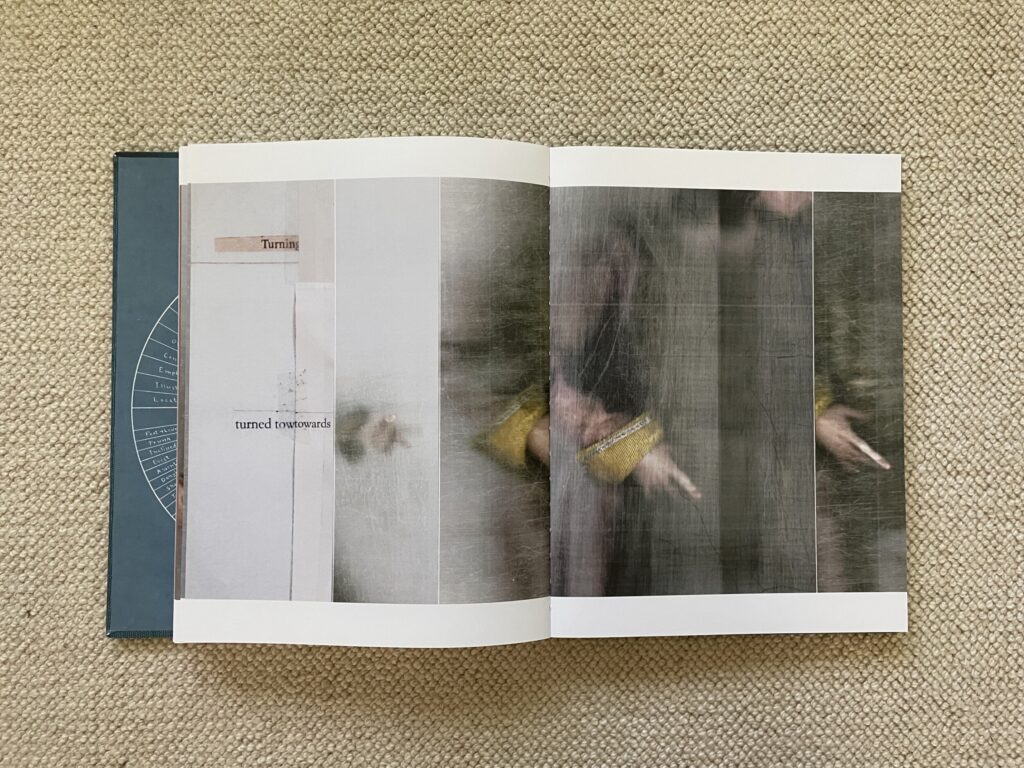
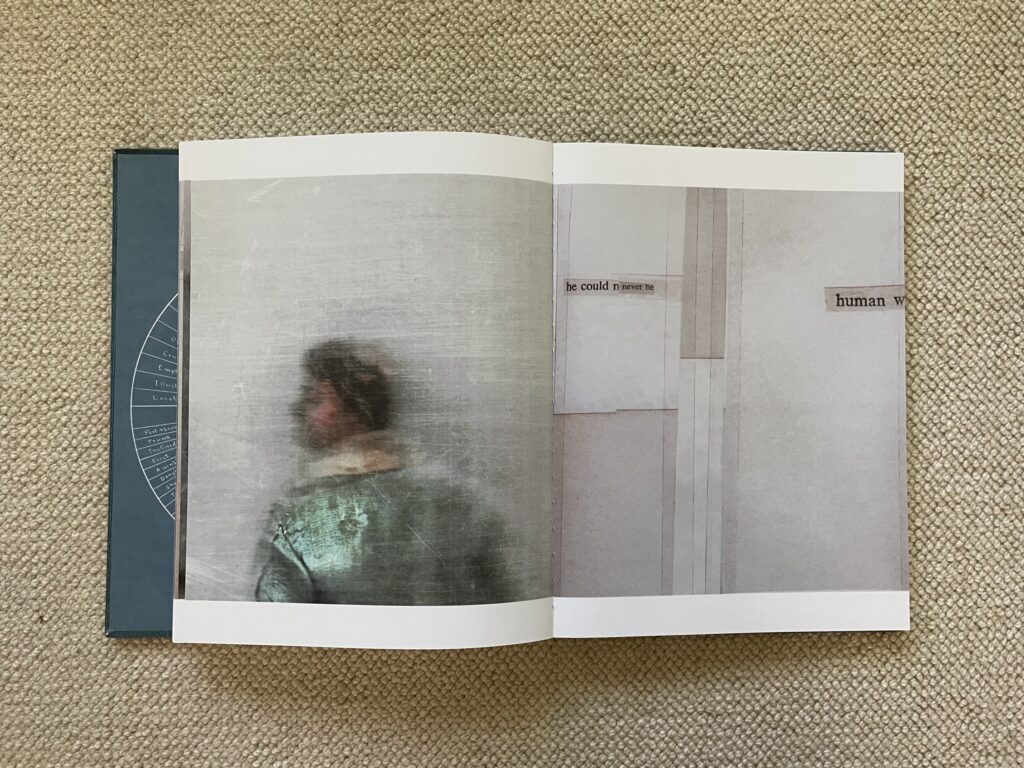
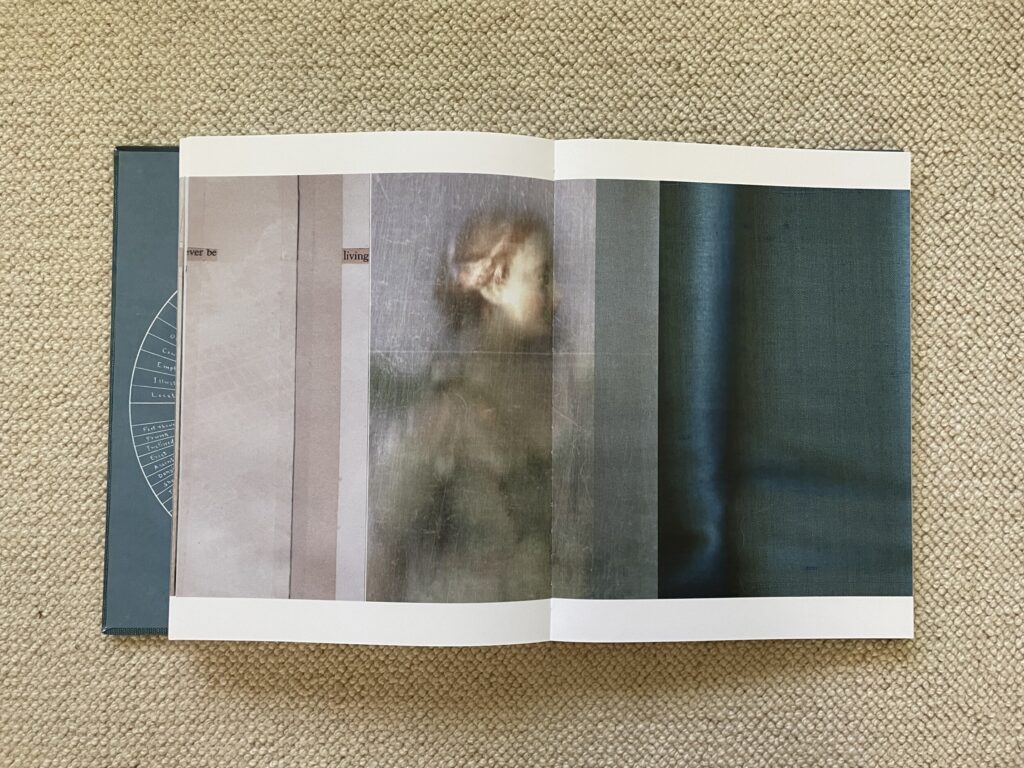
Comments/Context: Take a look at any large museum’s exhibitions calendar and schedule of upcoming events and it’s likely that you’ll find some commissioned engagements with the collections by contemporary artists of various kinds. It really doesn’t matter if the museum focuses of art, science, natural history, or a broad encyclopedic range of holdings, what’s required now is a fresh look at those collections, and artists (as well as writers, musicians, dancers, etc.) are just the right people to provide those unexpected perspectives and connections. Given relatively free reign, they can intervene in the collections in the galleries, curate their own selections or installations, or make their own work based on artworks that the museum holds, whether they’re currently on display or not. Such a program is generally positive for everyone involved, as the museum gets a new look at its collections (and to leverage the association with the artist), the artist gets paid to make work with a new set of inspirations (with a built-in guarantee of a high profile exhibition of some kind), and the public gets to watch as an artist creatively rethinks what has become familiar. It’s no wonder that this has become a common engagement formula for museums around the world.
Ann Hamilton is no stranger to the museum activation circuit, having done commissions and installations in various locations in the United States and Europe in the past decade or two. (As an example, her 2023 photobook Sense, reviewed here, included works from a project engaging with bird specimens at the Burke Museum at the University of Washington.) So when the Cleveland Museum of Art came calling with a project to respond to their permanent collection, the fit was decently obvious – not only is Hamilton an Ohio native, a Columbus resident, and an emeritus faculty member at Ohio State, she’d already had a chance to explore and refine some of her techniques for engaging with collections at other museums. The project kicked off in 2018, and continued with repeated visits to the collections starting in 2022, ultimately culminating in an exhibition of massive floor-to-ceiling photographic prints in late 2025 (linked above.)
While Hamilton is likely best known for her installations and performances, her engagement with photography can be traced all the way back to her graduate studies at Yale in the mid 1980s. Since that time, photography has intermittently been a part of her larger artistic practice, with notable high points coming with her innovative late 1990s pinhole-camera-in-her-mouth portraits (with her lips acting as the shutter), her ethereal 2010s era portraits made behind a hanging membrane of opaque plastic, and her more recent embrace of flat bed and wand scanners, which has allowed her to make intimately sensual images of all kinds of small objects. In each case, she has creatively searched for the right method or process to match the project, transforming each art making interaction into something more experiential.
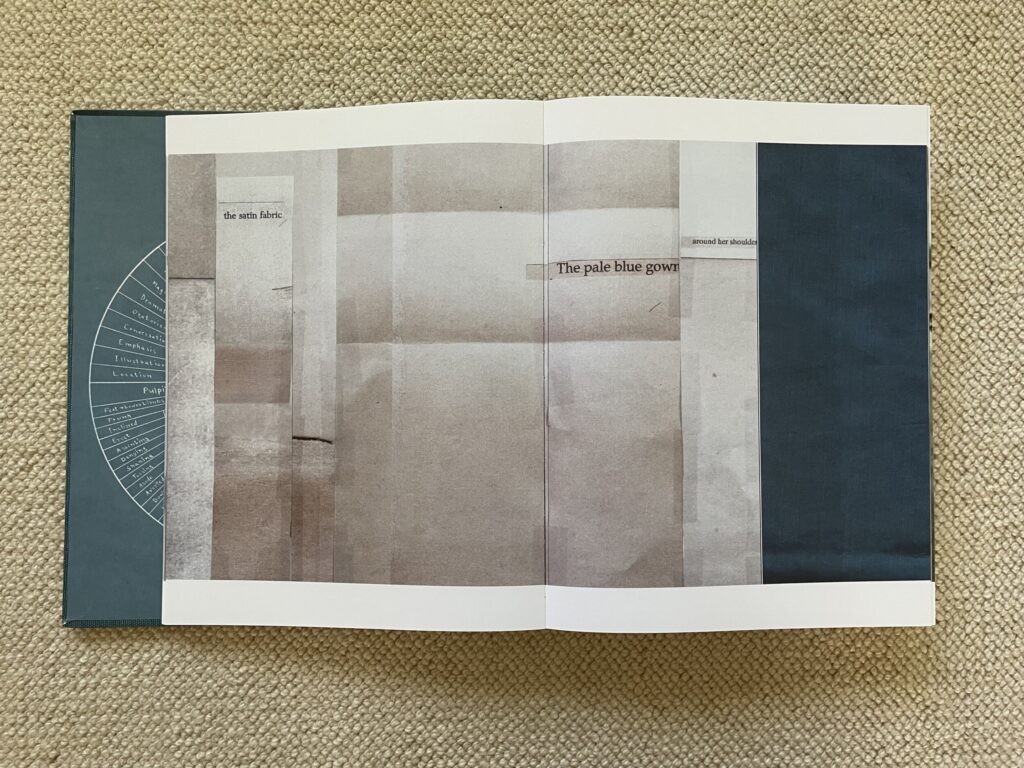
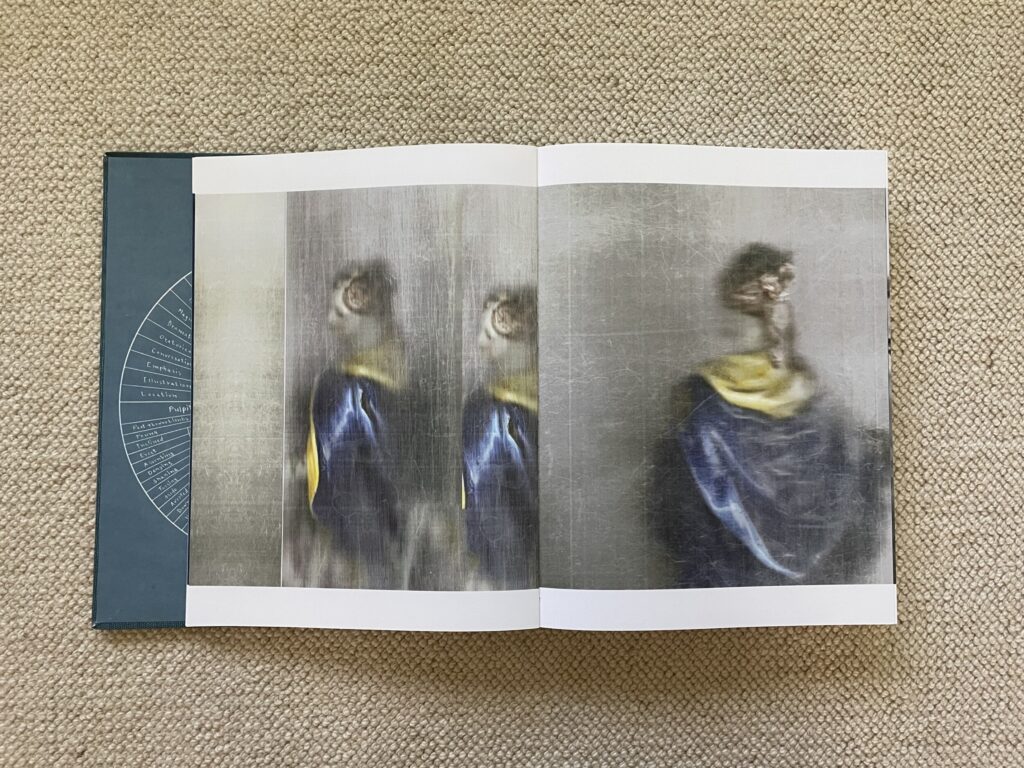
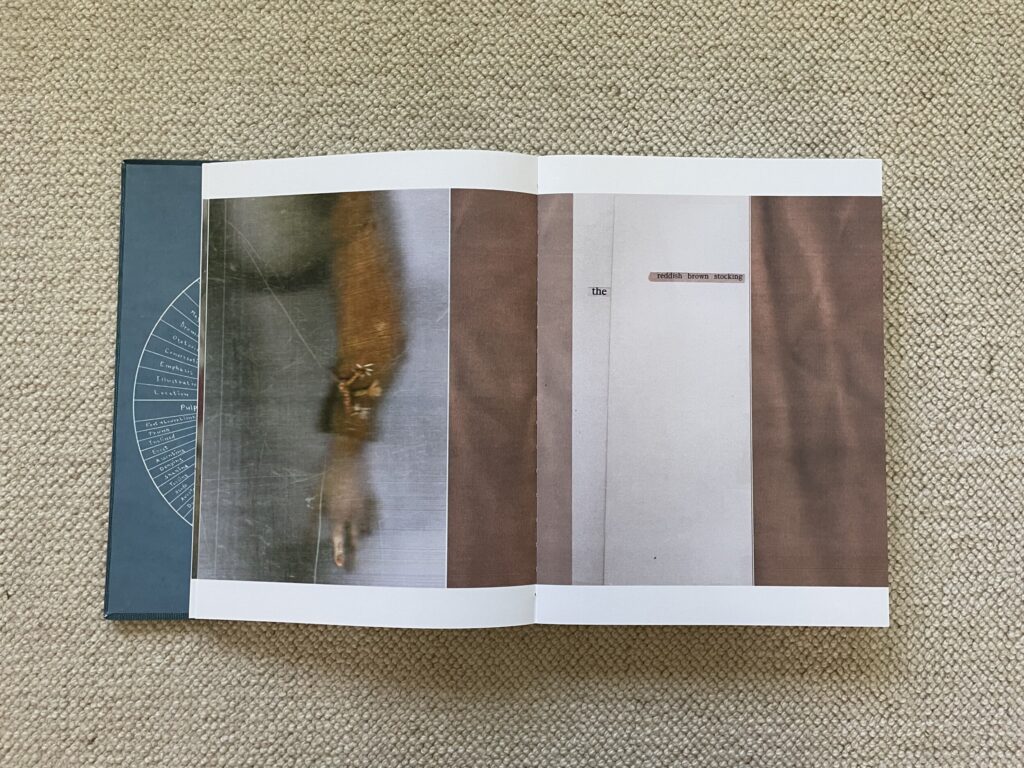
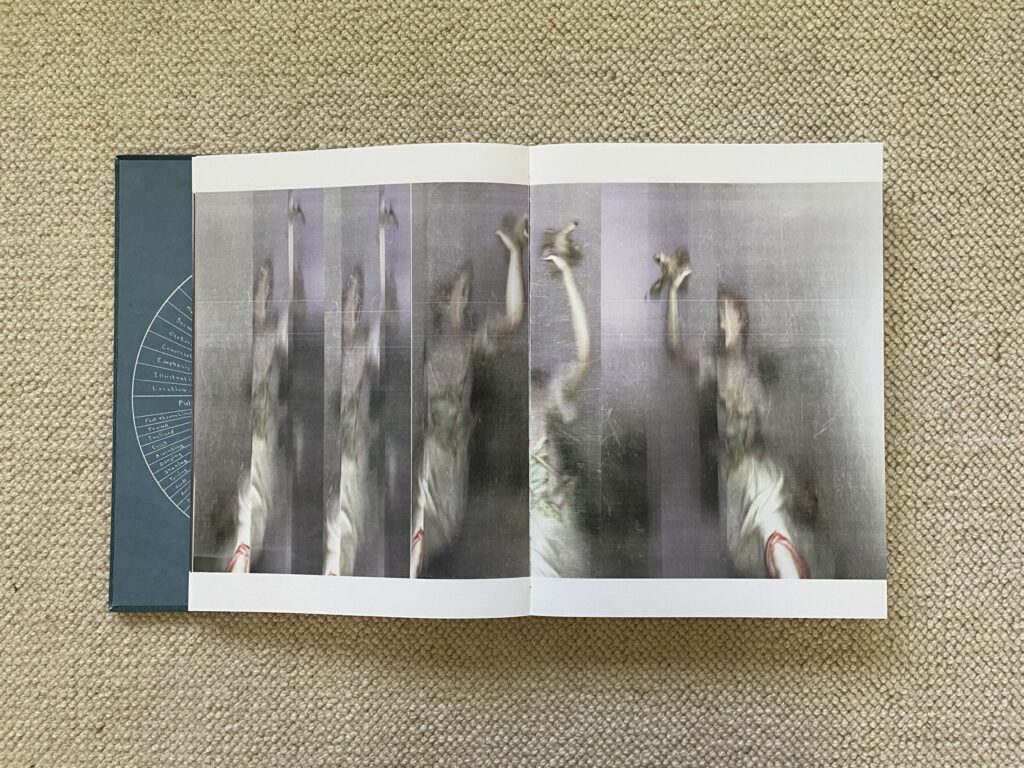
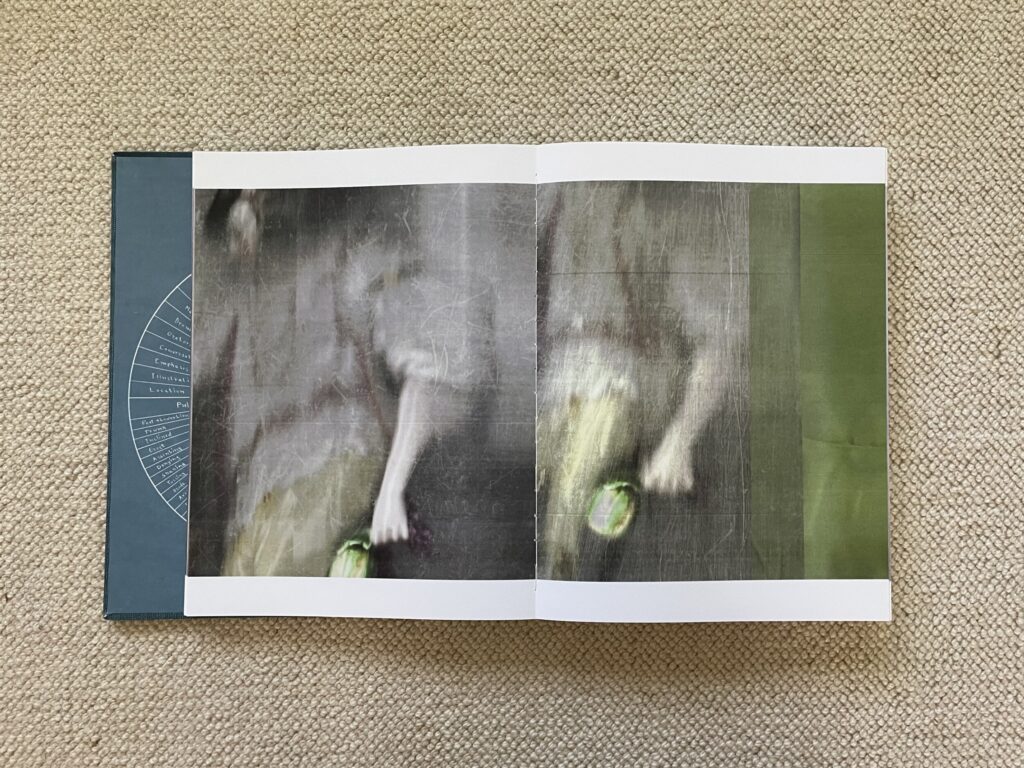
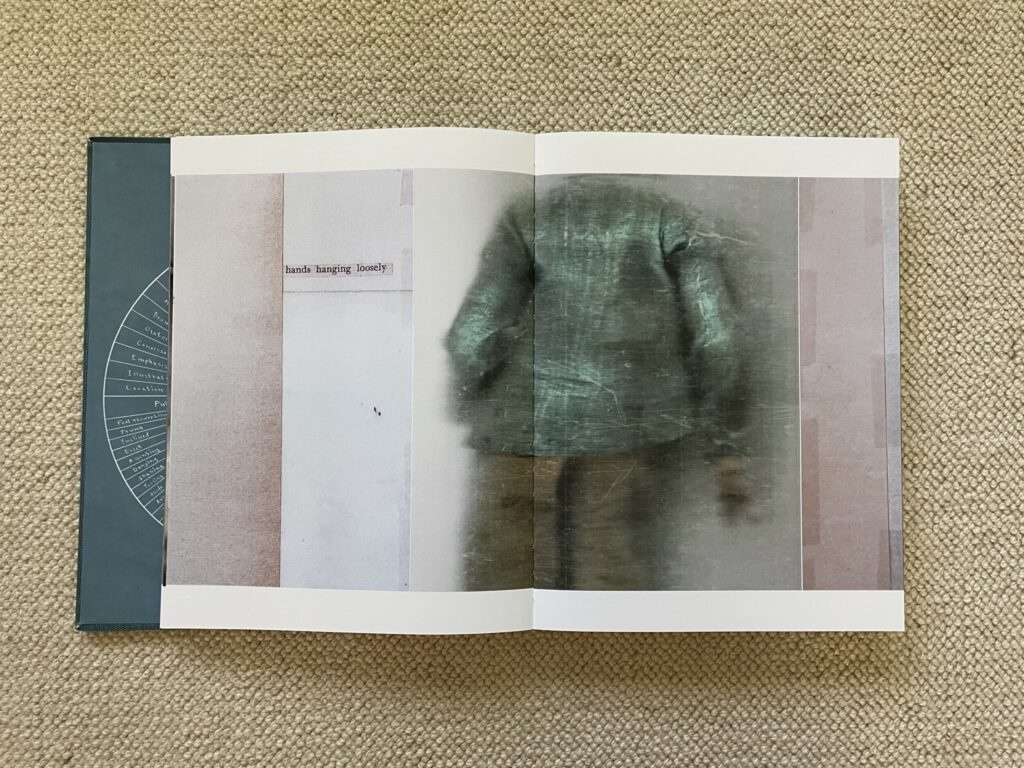
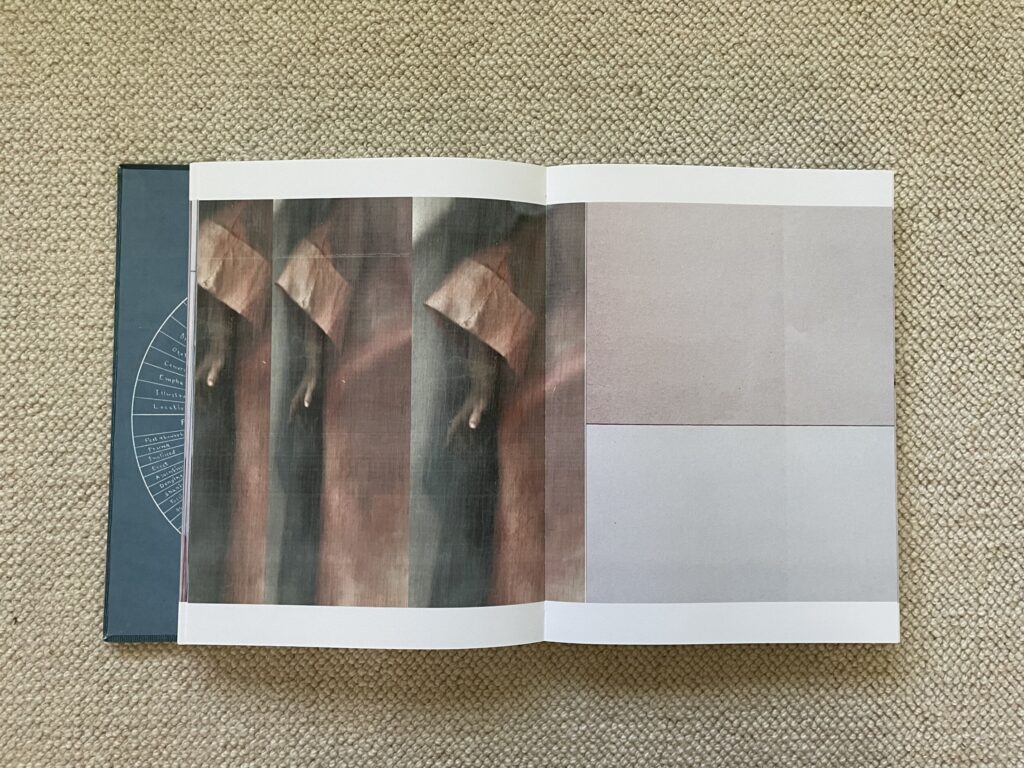
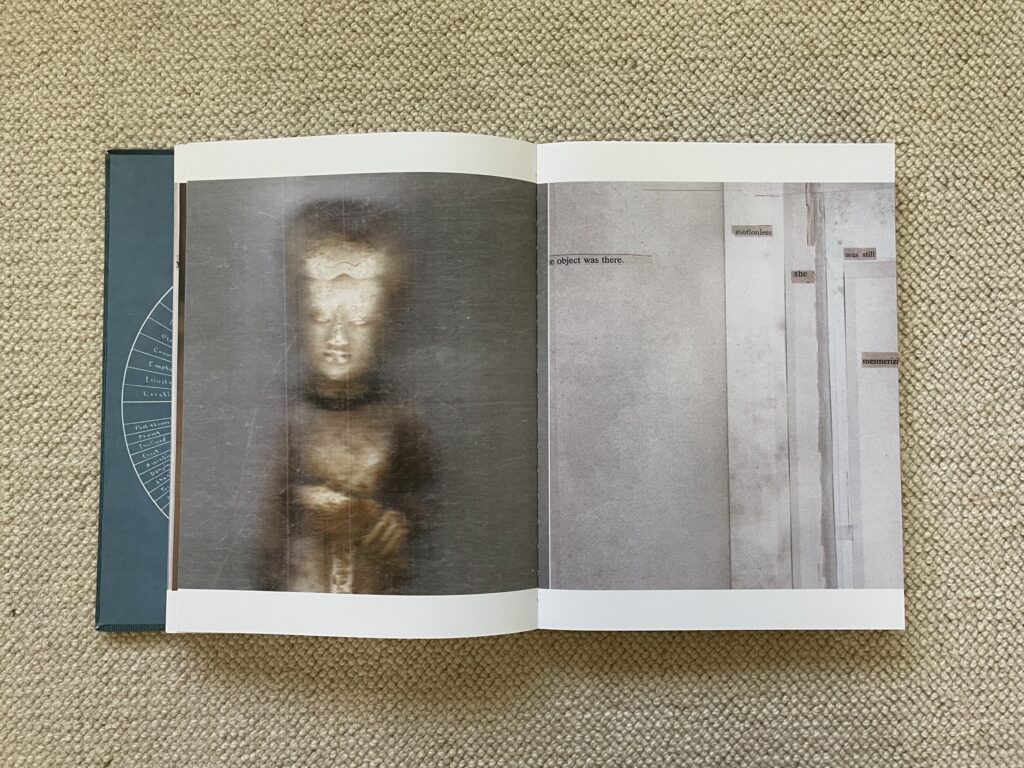
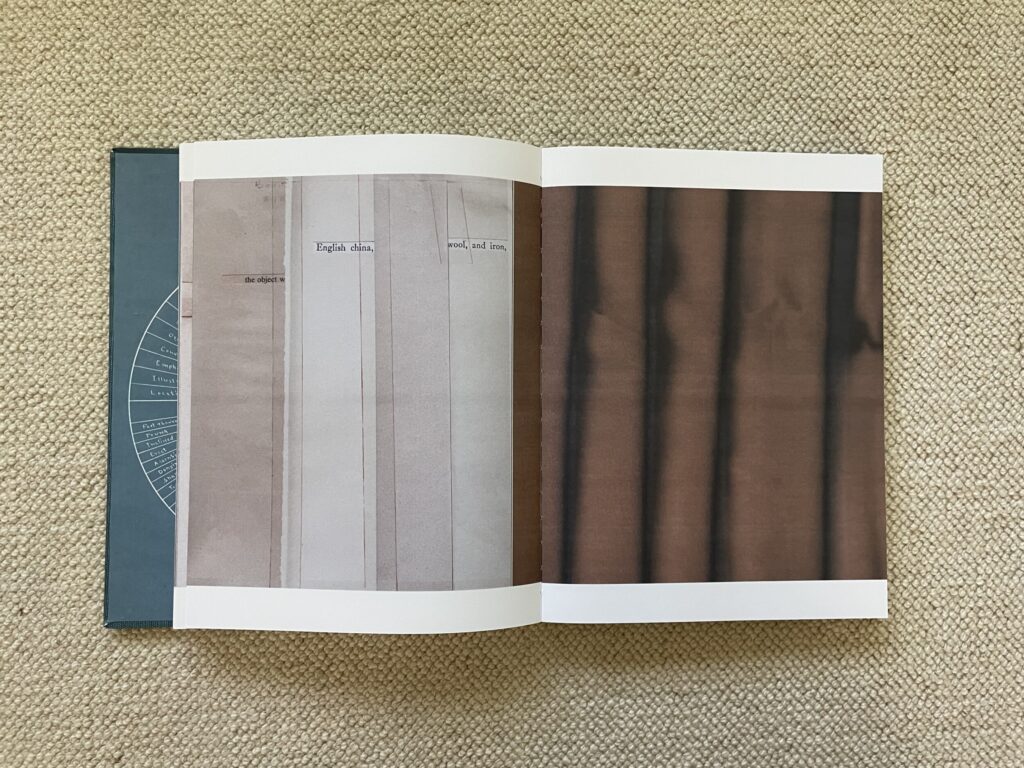
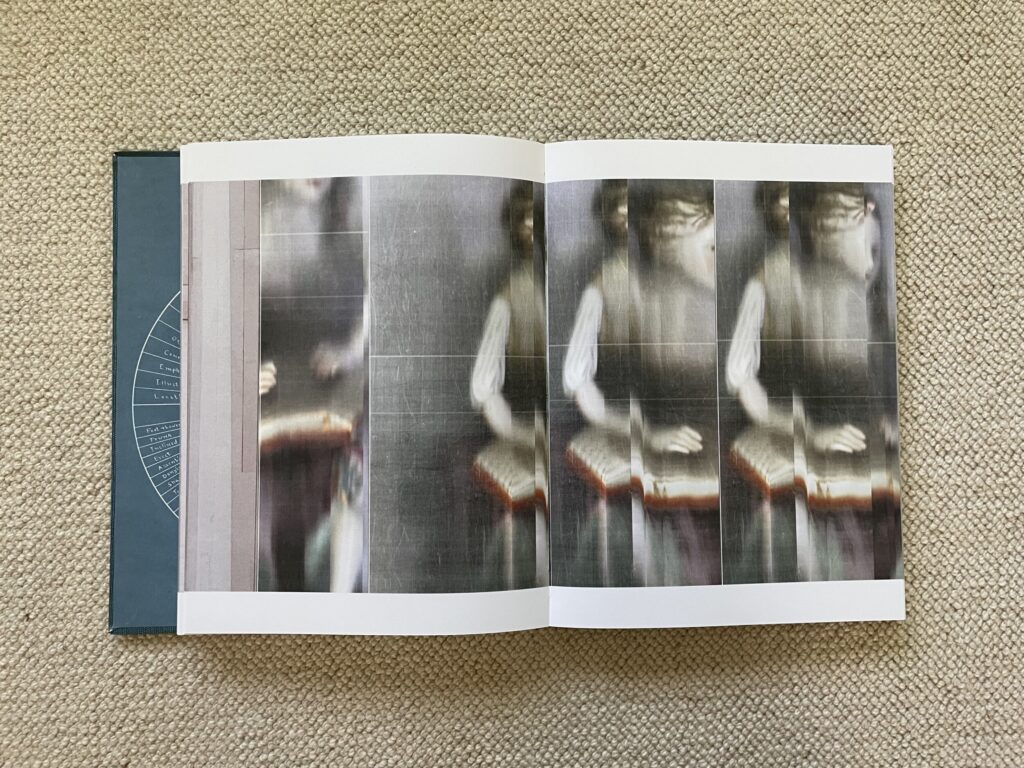
In Cleveland, Hamilton settled on a selection of small-scale figurative ceramics and crèche figures as her subject matter, most from the 17th to the 19th centuries, with a few choices from even earlier. Glaze and paint give many of these figurines flashes of glossy brightness and color, with a number featuring extended arms, reaching hands, or gestural poses that she could then re-interpret in a manner similar to her earlier veiled portraits. Here, her process was much less fixed or static however, with the figurines wrapped in a thin sheet of plastic and then hand scanned (primarily with the vintage wand scanner), bringing motion, intention, and the passing of time (it takes a while to slowly move a scanner across its subject) into her artistic flux. She made multiple scans of each of the objects during her visits to the collections, and then back in her studio, further cropped and reoriented the resulting images, eventually creating an intermingled filmstrip-like flow that activated the pictures further while also incorporating scans of textural fabric and folded cloth and fragments of found text – it is these composite flows that became the large scale installations in Cleveland and the page spreads in this catalog.
At the root of Hamilton’s project lies the thorny question of “how does the camera animate an inanimate thing”? Hamilton’s artistic answer lies in the netherworld between touch, sight, and language, where the object is considered in new ways, almost rediscovered in some sense, and then further recontextualized by the process of ordering and sequencing. Between the interrupting scrim of plastic and the shallow depth of field of the scanner, the resulting pictures wander in and out of cloudy focus, with parts of the figurines seeming to emerge from the distorted blur for just an instant, only to recede into the foggy haze moments later – the only appropriate analogy I can offer for these fleeting photographic instances is the swimming fish in a koi pond, where flashes of shimmery orange and white briefly come to the surface only to just as quickly disappear into the darkness.
Hamilton’s pictures imply this same kind of movement, the figures turning, posing pointing, almost dancing as the images click by, with our attention constantly shifting from a shoulder, to a hand, to a face, to a sparkly coat or a graceful twist of drapery. Often, Hamilton leads us into a cinematic series, where a single figure is seen repeatedly, each stuttering frame a fragment of the larger sweep of movement, rotation, or isolation, where Hamilton lingers just long enough to get the payoff she’s looking for, in that one singular image that seems to transform the porcelain into something even more transcendently exquisite.
These sequences of images, or multi-image portraits perhaps, are then bookended by scans of folded cloth panels and collaged text cutouts that offer tantalizing elusive possibilities of almost narrative. The two kinds of images provide different functions, with the cloth panels creating elegant echoes of color and fold (which Hamilton deploys carefully in terms of width, surface roughness, and saturation), as well as providing a kind of visual palette cleanser break between the denser image sequences. The text fragments add a kind of muffled voiceover or poetic interpretation, with descriptive words and phrases that might be the thoughts of the figurines floating by like whispers in the air. Near the end of the entire sequence (which Hamilton has titled “a cadence”), these text snippets turn more psychologically inward, probing the almost human expressiveness and potential longings of the lonely figurines.
As a photobook object, still and moving · the tactile image is a handsome catalog, both hefty in presence but still light in mood. The book has a open spine interior cover, with endpapers decorated with intricate hand drawn diagrams of “gesture” and “voice”. Without further ado, the book jumps into the extended sequence of new imagery, creating one continuous flow, bordered on the top and bottom by strips of white. Most importantly, the design and construction match the intention of the central artwork – the pages are large and roomy, the paper is tactile, and the reproductions capture the scuffed approximation of Hamilton’s pictures, all of it coming together into a book experience that feels like a natural extension of what occurred in the galleries at a much larger scale. After the very long sequence of page turns is complete, essays and supporting materials are included in the back, with Tannenbaum’s very smart contextualizing analysis presented in a way that keeps the artworks at the forefront, the text squeezed down to a narrow strip, leaving plenty of room for the illustrations. Thumbnail images of the original figurines are also included, which is another inspired design choice, as it makes it possible to readily compare formal museum reproductions with Hamilton’s inspired interpretations of those very same objects, with Hamilton’s artistry looking all the more magical as a result.
Without getting too clever with wordplay, we might deem what Hamilton is doing a sophisticated exercise in “recollection” (or “re-collection”), where the holdings of the museum are being immersively reinterpreted and the objects themselves are behind amplified and remembered in new ways. Such projects have the potential to feel tired and obvious, but Hamilton’s effort gracefully breaks that mold, finding an unexpected dynamism and energy lying dormant in these antique figurines and then transforming that recaptured spirit into a memorably elegant installation (and photobook object). In the end, Hamilton returns to the fundamentals of photographic seeing as her most accommodating tool, where under her watchful eye, light and motion consistently bring vitality to even the most static of objects.
Collector’s POV: Ann Hamilton is represented by Elizabeth Leach Gallery in Portland, OR (here), with graphic editions from Gemini G.E.L. (here). Hamilton’s work has little secondary market history at this point, so gallery retail likely remains the best option for those collectors interested in following up.