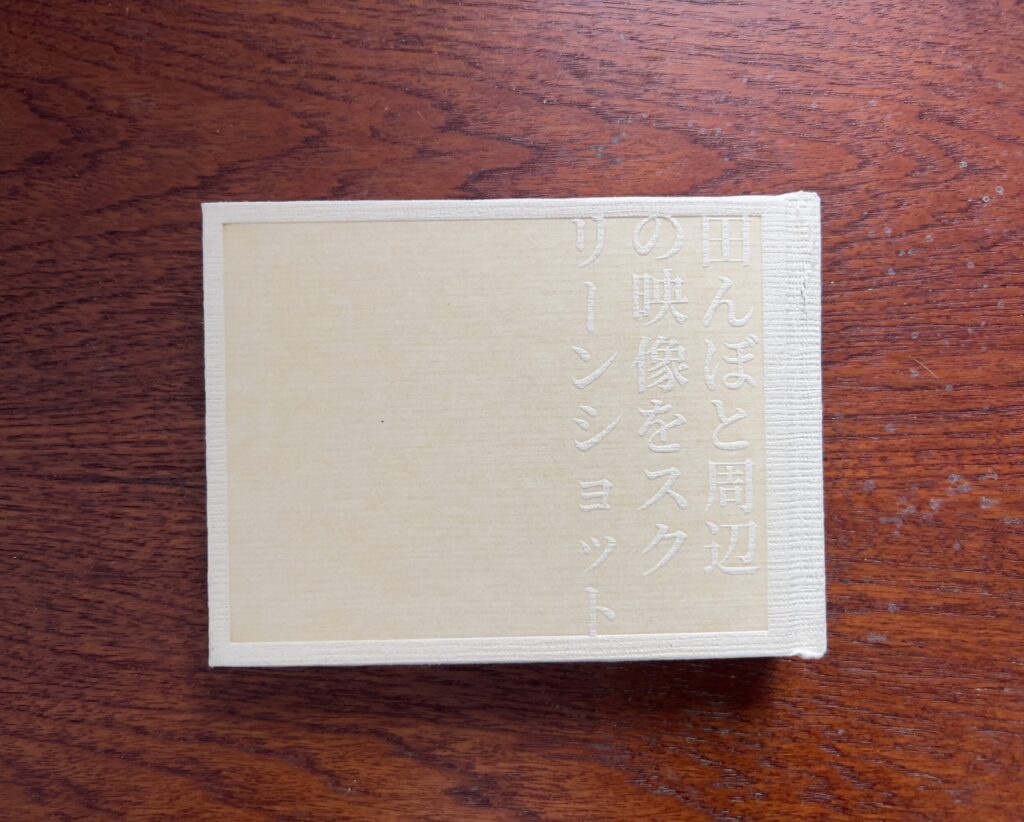
JTF (just the facts): Published in 2025 by Chose Commune (here). Section-sewn debossed hardcover (10.5 x 14.5 cm), 160 pages, with 107 color plates. Editing and sequencing by Cécile Poimboeuf-Koizumi, with design by Cécile Poimboeuf-Koizumi in collaboration with Perrine Serre. (Cover and spread shots below.)
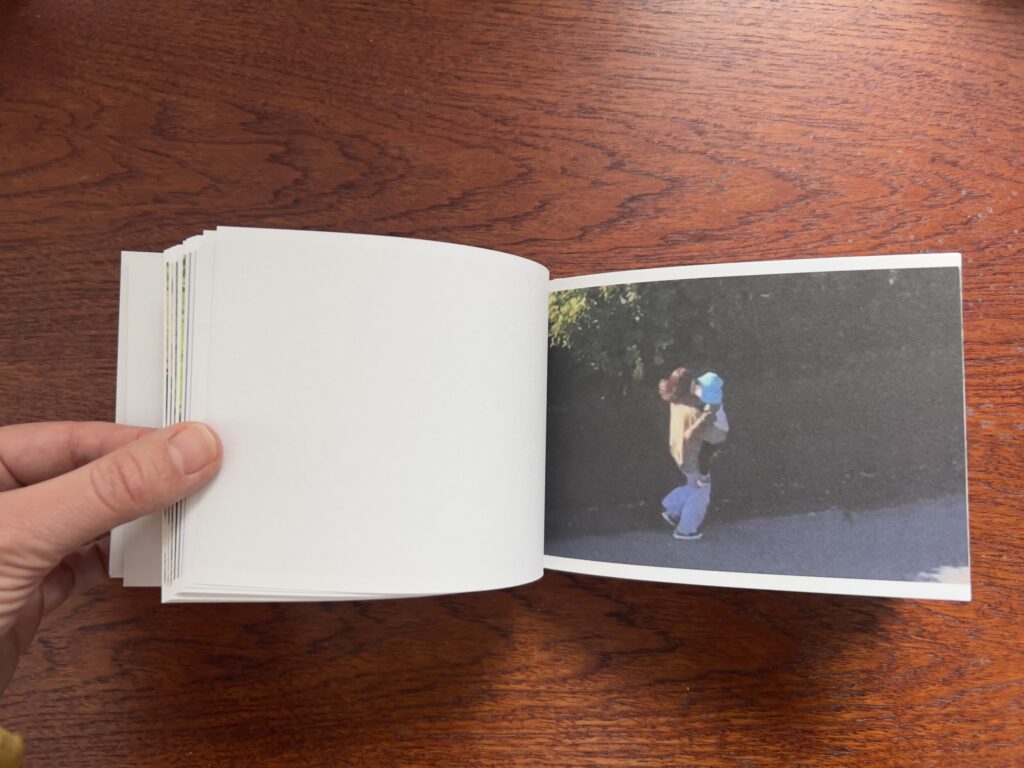
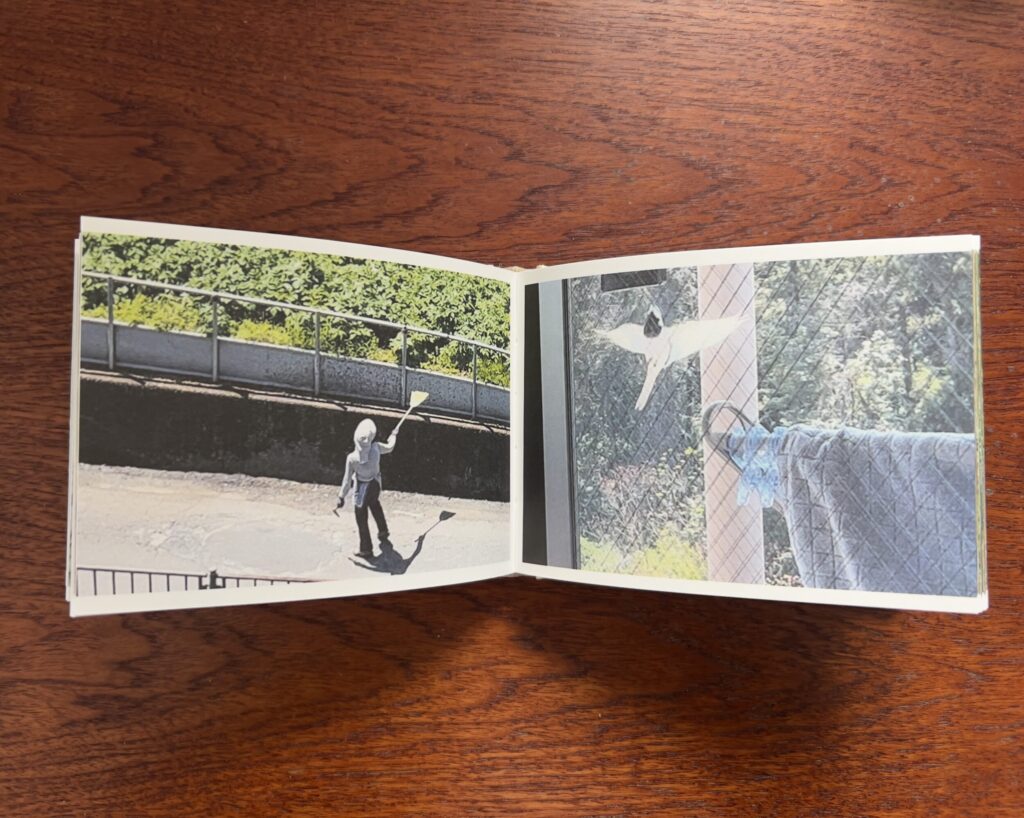
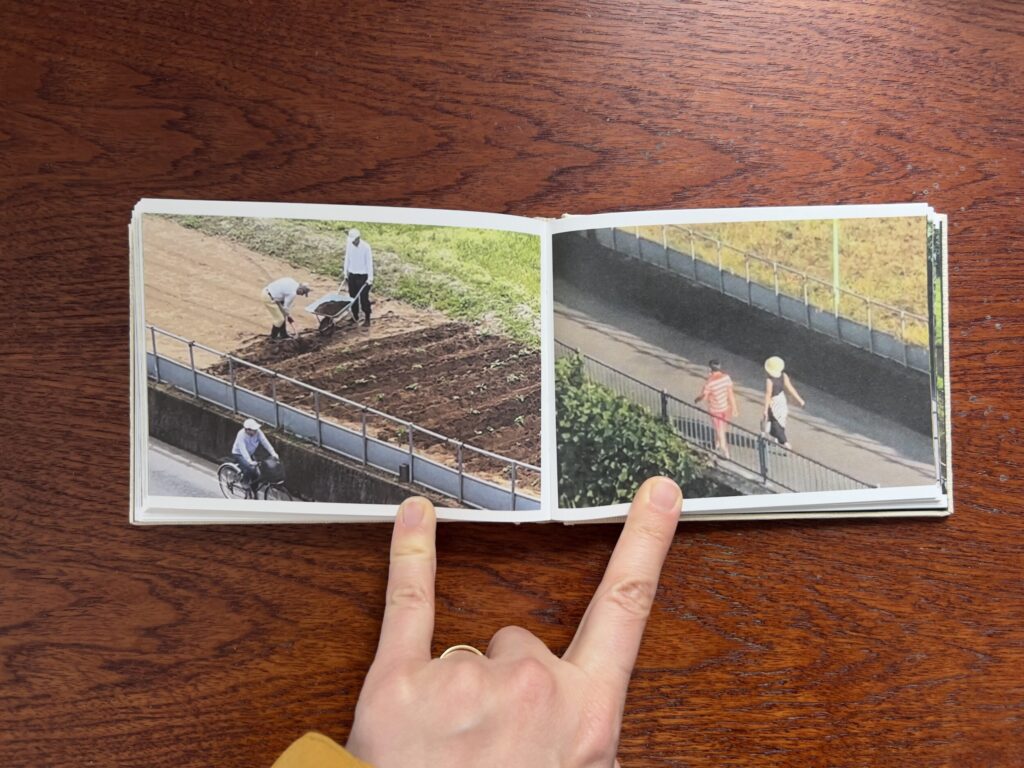
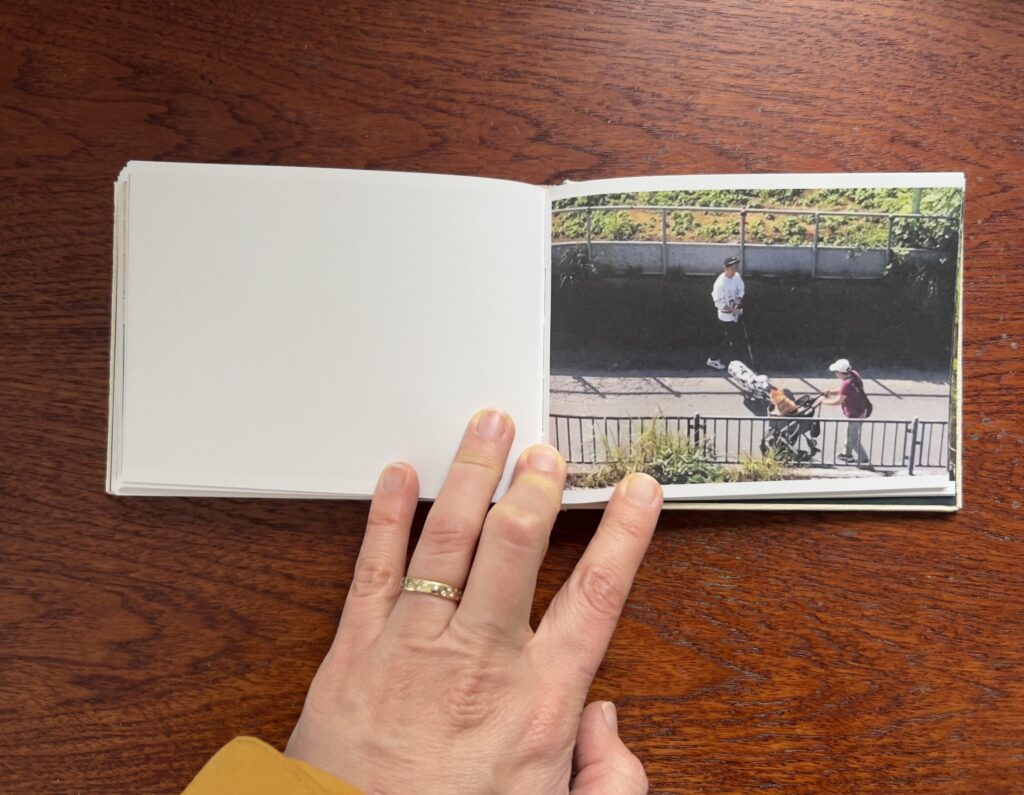
Comments/Context: Screenshots from a series of videos about a rice field and its surroundings is the debut monograph by Cintia Tortosa Santisteban, published by Chose Commune in 2025. Tortosa Santisteban is a 36 year old Spanish photographer living in Kanagawa, Japan. Beginning in 2021, amidst the backdrop of global introspection and the perceived stillness of the COVID-19 pandemic, the artist began to record videos of her surroundings as part of a daily practice.
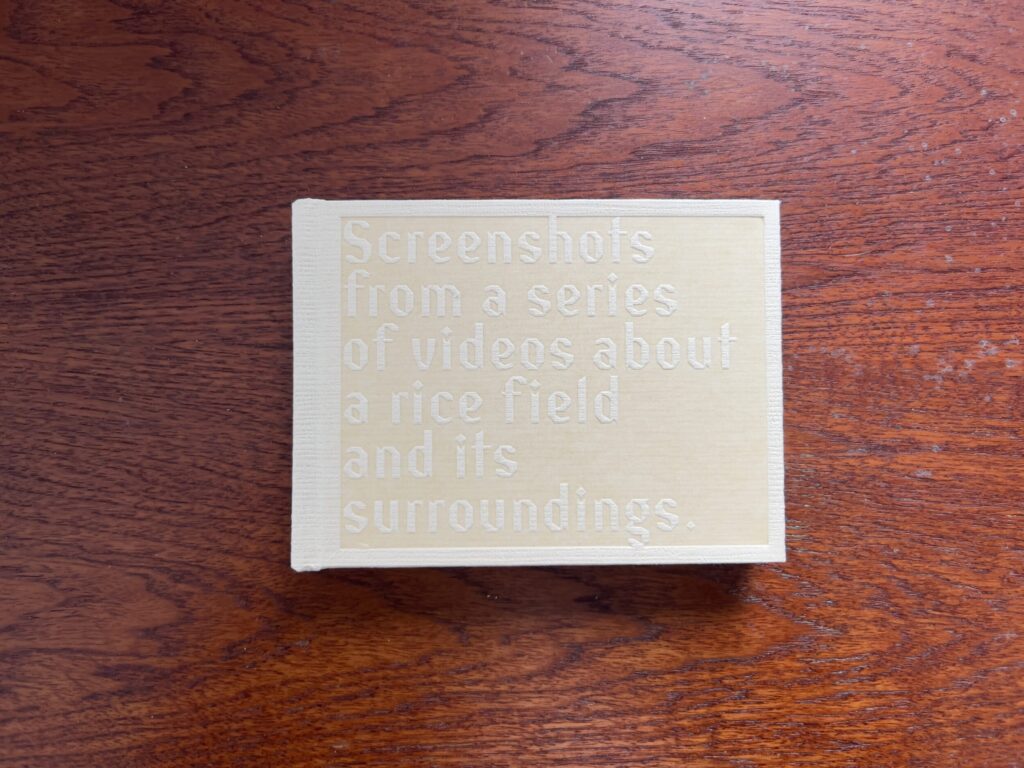
The book’s title, Screenshots from a series of videos about a rice field and its surroundings, is long but provides clear guidance for the reader. The title states exactly what is in the book without the complication of drama or sarcasm. Before the book is even opened, the title informs the reader that the images inside are screenshots taken from footage the artist has collected over time, and that the subject matter is the area surrounding a rice field.
Confined largely to her immediate environment, Tortosa Santisteban began to meticulously document the world outside her small fifth-floor apartment in Kanagawa, specifically, from her vantage point from the balcony, which offered an expansive, almost theatrical view of a neighboring rice field and its surrounding residential and natural elements. The project grew out of a sustained daily practice of observation, captured not through still photography but through video recordings. This decision to film rather than photograph highlights a central concern with duration and change. The translation from moving image to still image adds an additional layer of deliberateness to an otherwise time-based process. The screenshots that are included in the book are not merely captures of peak moments, but chosen frames that convey the rhythm, the light shifts, and the subtle transformations and often overlooked interactions that occur within this slice of the world. The resulting book is an intimate meditation on the passage of time, the subtle drama of daily life, and the unique landscape of contemporary Japan, as viewed through the lens of a long-term expatriate.
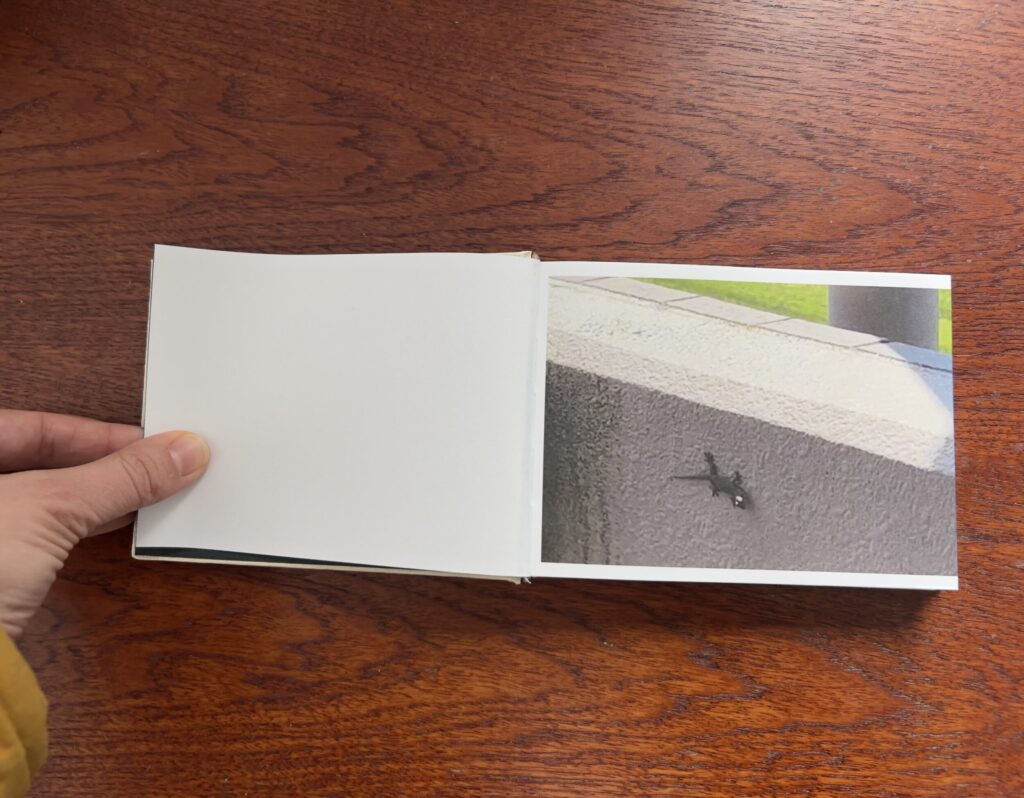
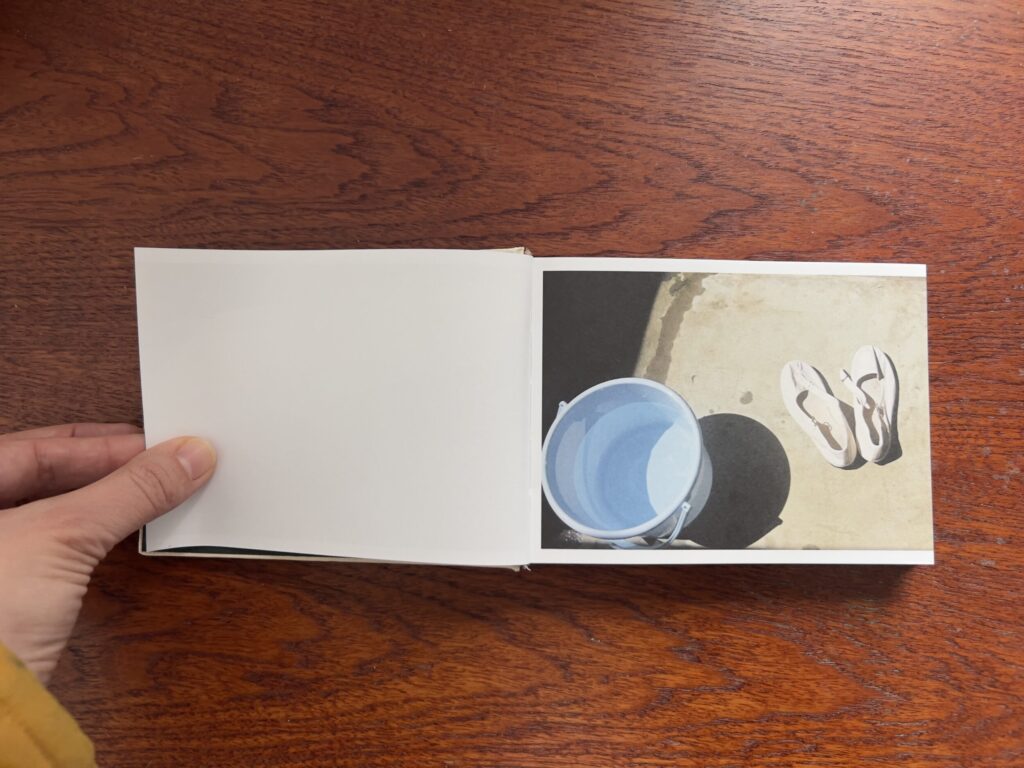
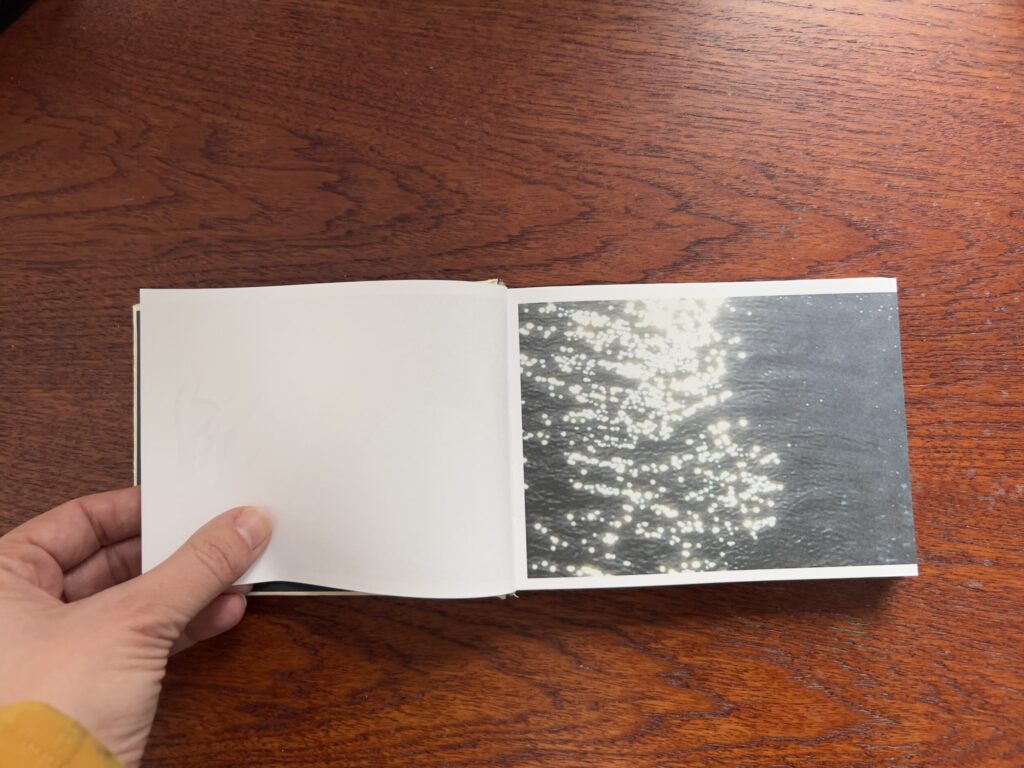
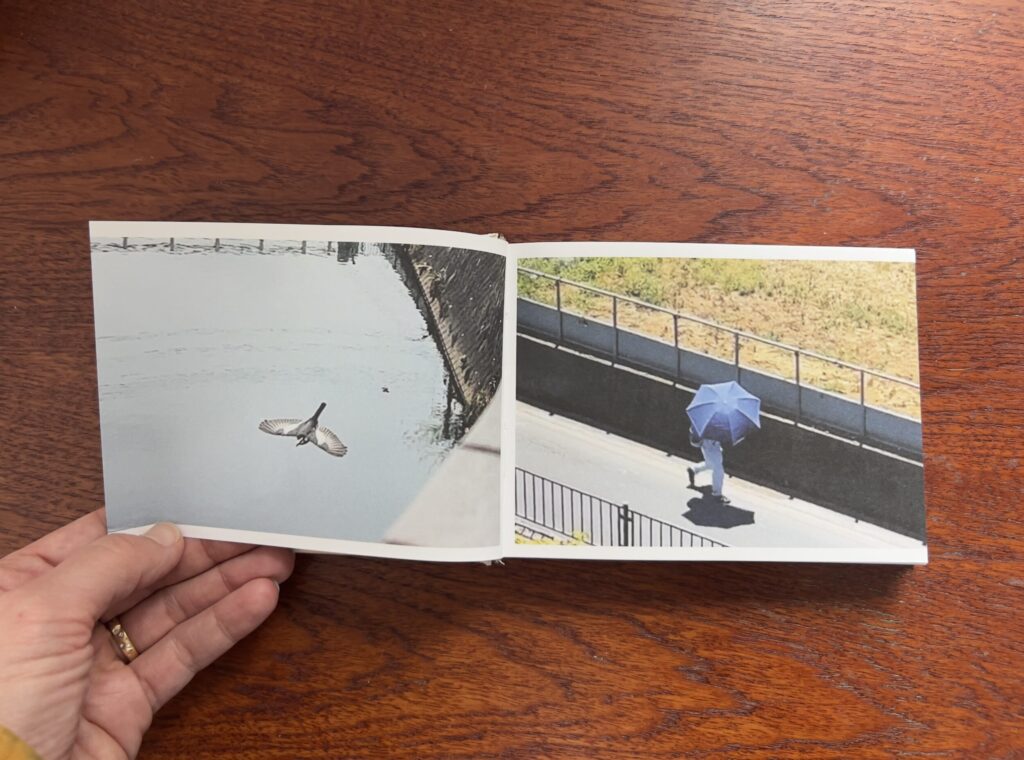
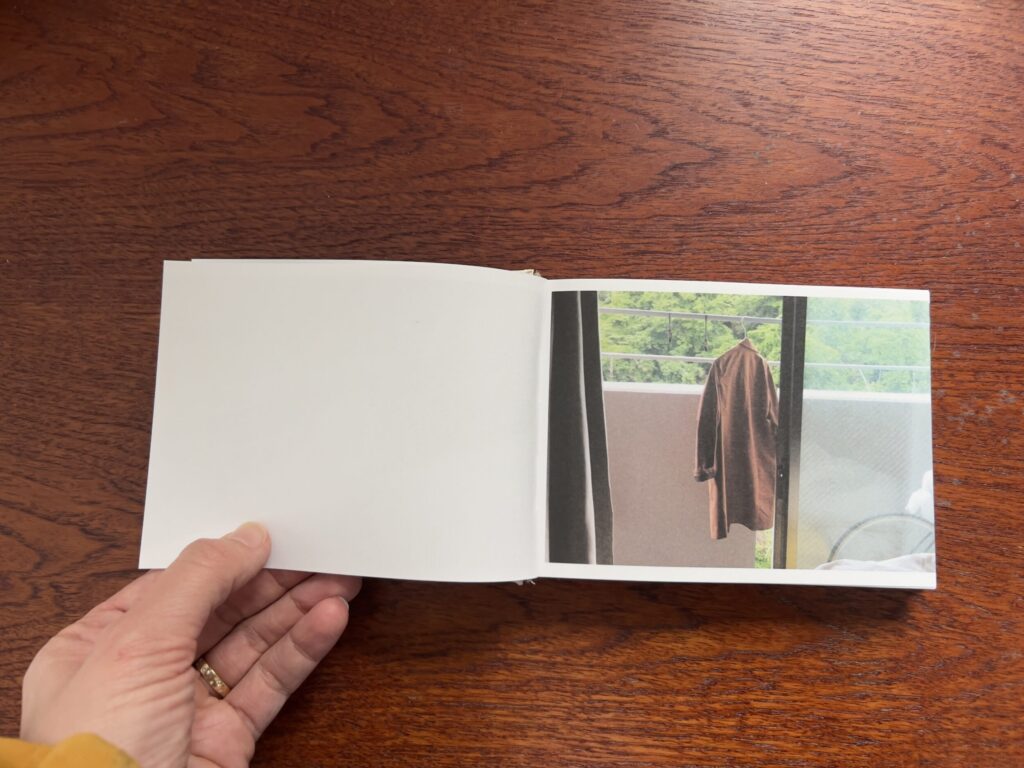
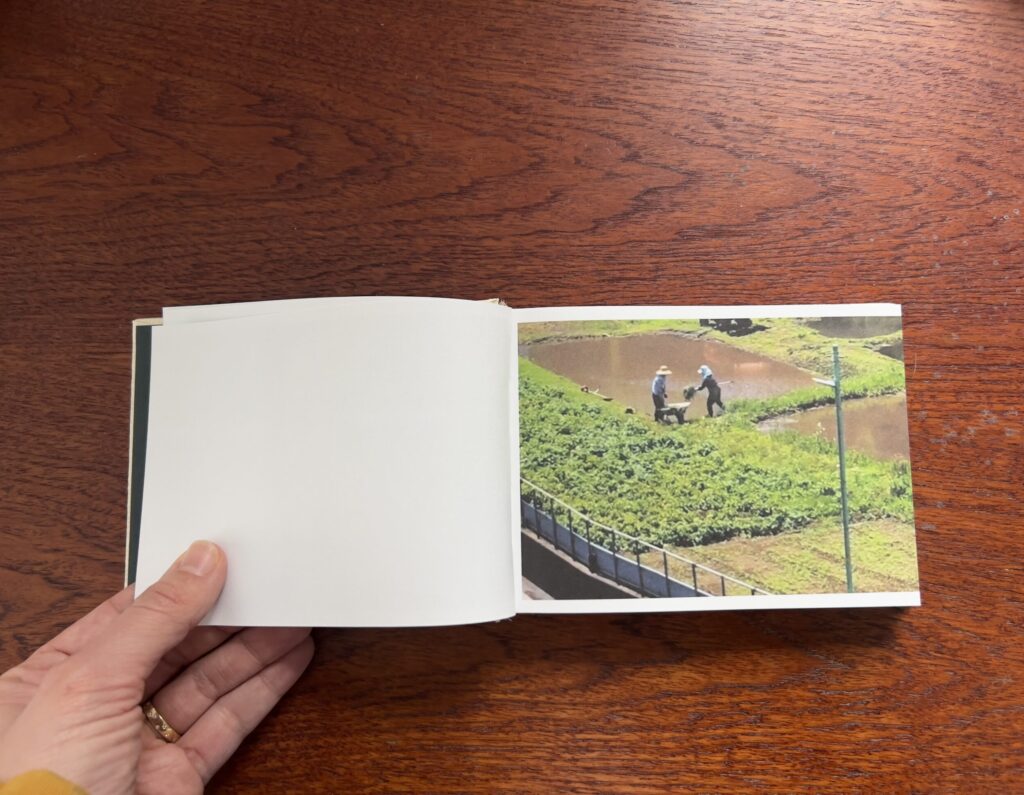
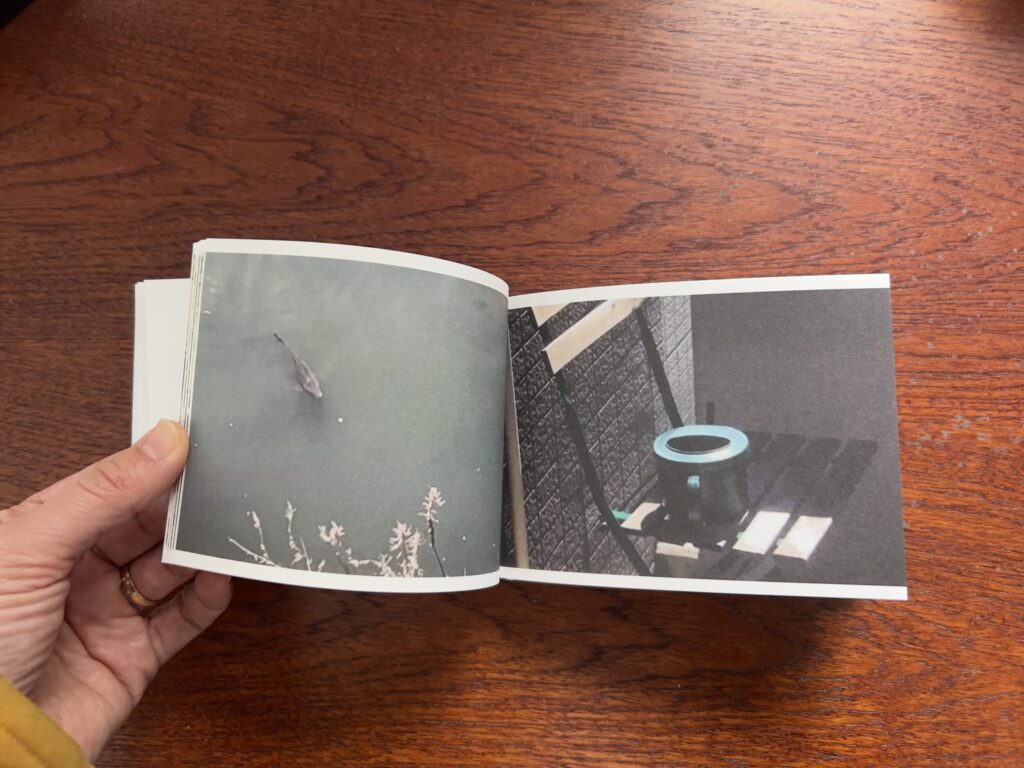
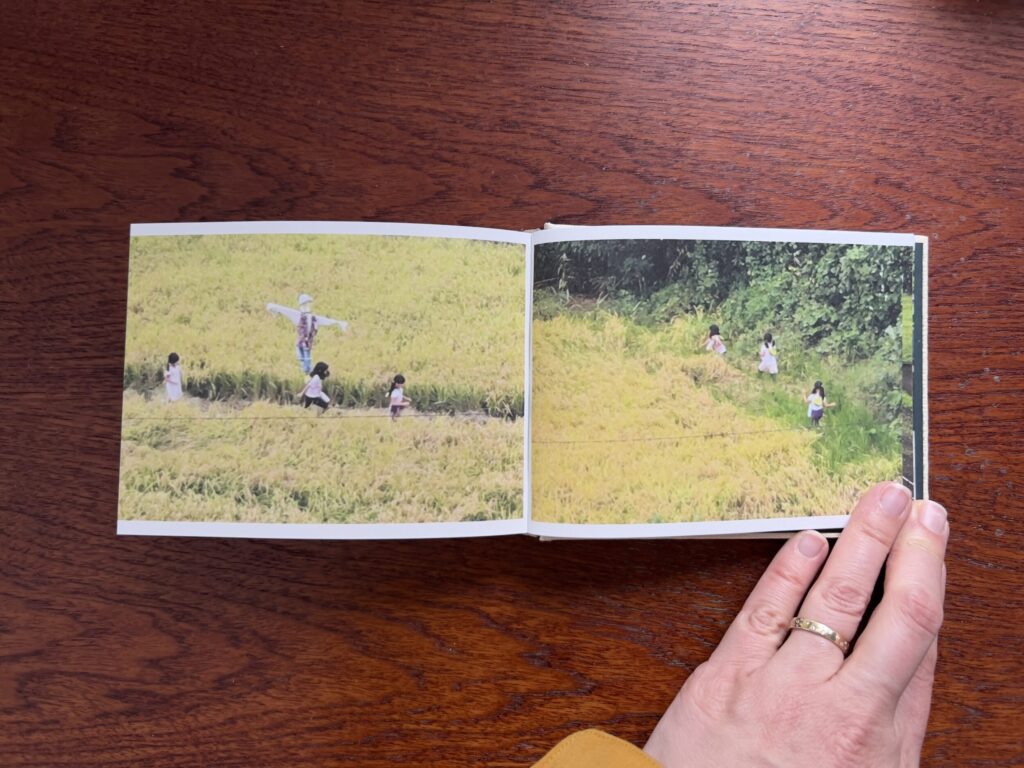
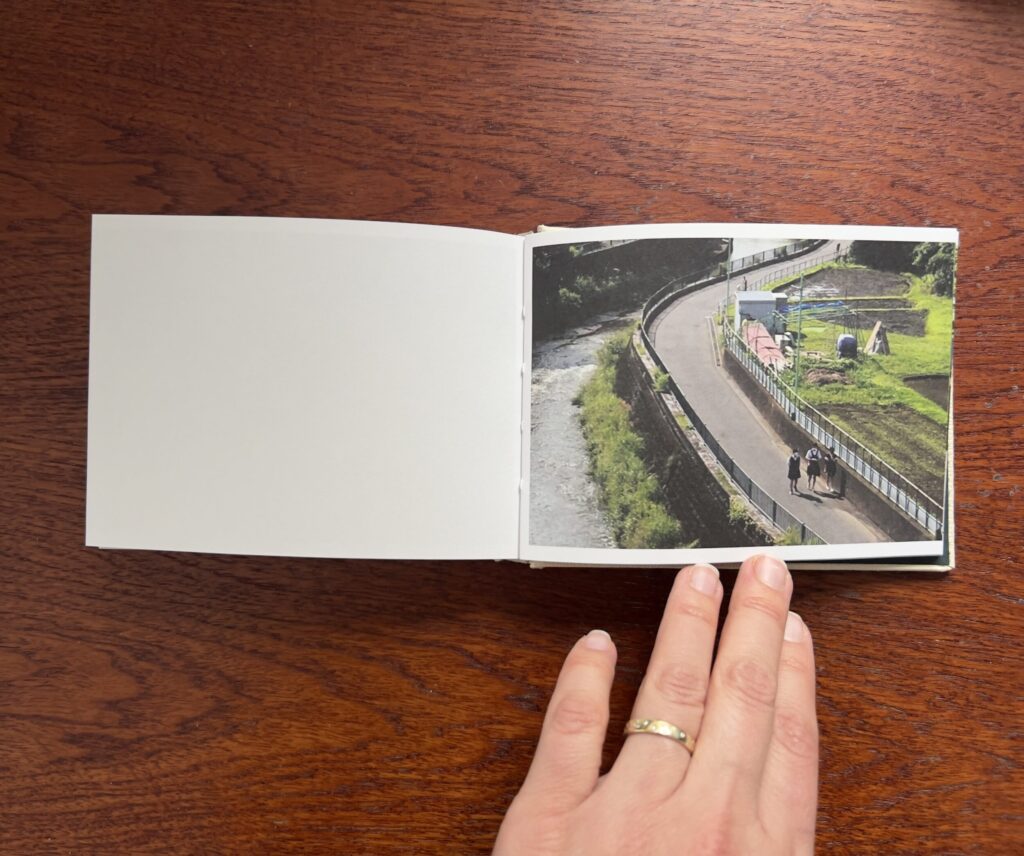
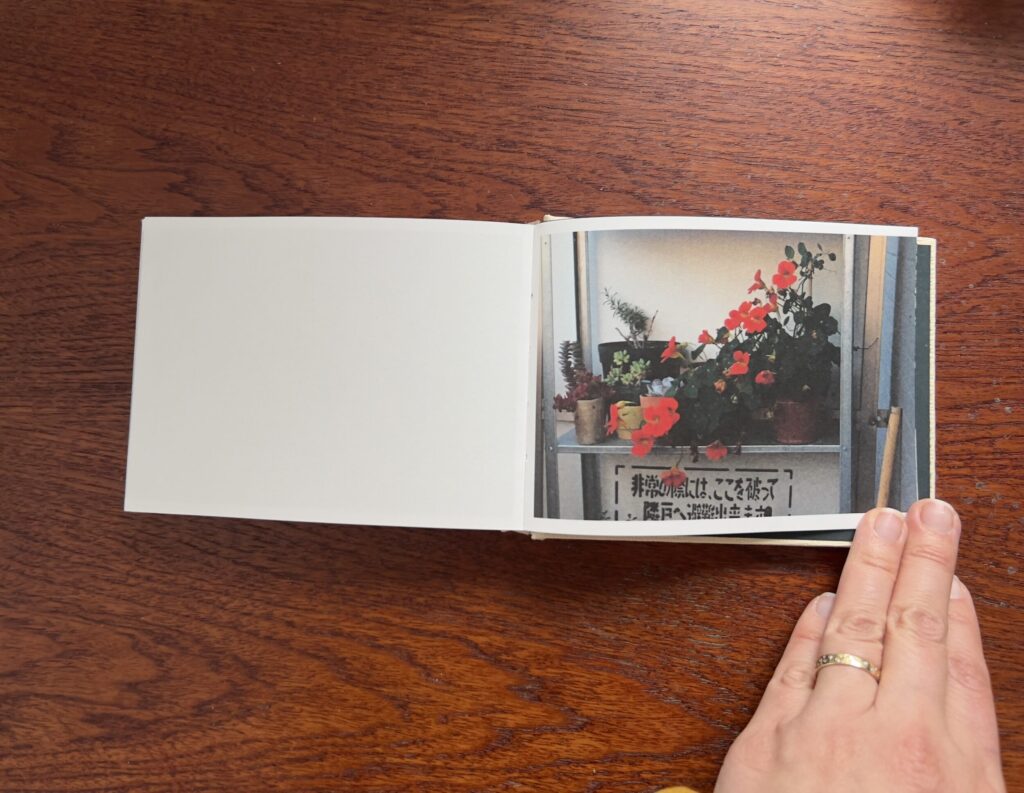
The images reproduced in the book are of low fidelity, meaning they are not exacting in their sharpness; they have a soft focus and a digital feel. These qualifiers are often negative and near-damning when discussing photography, but in the case of Tortosa Santisteban’s work, the softness and digital feel are welcome impurities, in direct opposition of the contemporary trend to see the world in hyperrealistic clarity. The softness of the images suggests a distance, even when the subject of the images is the stuff of the artist’s own balcony: a blue pail and white slippers, a brown blouse hanging up to dry, the artist’s watering can resting on a folding chair, or potted plants sitting on a ledge. These images are thoughtfully interspersed with scenes looking further into the distance, at a downward perspective which creates unique angles and opportunities for cuts and formal ordering from a birds-eye-view: people with their heads shielded from bright overhead sun working in the rice field, shoveling earth into a wheel barrow. Other scenes show people existing next to the rice field: a man riding his bike while two other people tend to the field just over the fence from the path, schoolgirls walking three-wide, which reveals that the walking path is hemmed in by the river on one side and the rice field on the other, and among my favorites, a spread that shows three children playing in the rice field on the left facing page and running toward the forest on the right facing page. This last set of images pairs two still frames extracted from a single video, sharing the humanity and subtle humor of moments one sees when it seems no one is watching. Other themes included in the stills depict the richness of nature in Kanagawa: the chameleons that enjoy the heat of sun and try to blend themselves into cement, the river and the koi that call the river home, and the birds who feast on the creatures of the waters and the rice field. Overall, the images have a cohesive gentleness to them that is quiet, calm, and attentive.
There is a long tradition of photographers looking out from their windows to photograph the world. The earliest being Nicéphore Niépce, the French inventor and pioneer of photography who is credited with fixing the world’s first photographic etching known as “Point de vue du Gras”, an eight hour exposure of the landscape outside of his window. More contemporary examples of making photographs from an artist’s window include Hayahisa Tomiyasu’s TTP, published by MACK in 2018 (reviewed here), in which Tomiyasu spends five years making hundreds of images from the specific vantage point of his bedroom.
I was drawn to this book at Chose Commune’s table at the New York Art Book Fair in September of 2025. The book’s petite size and its humble, creamy bamboo color called out to me amidst the overwhelm of the warm and crowded fair. My initial flip through the book was a surprising one. At first blush I thought the images were screenshots from surveillance footage, perhaps CCTV footage or Google Street View. The digital grain aesthetic of the screenshot-grabbed photographs felt familiar to the tropes of watching and being watched. Returning to the book in the comfort of my own space, the suite of images spoke differently. It became clear that the author was not taking moments from footage captured by a machine but rather selecting single images from footage recorded by the keen and sensitive eye of a person responding to the world in which they find themself; a world filled with dynamism, color, shimmer, and tempo.
While Tortosa Santisteban’s Screenshots from a series of videos about a rice field and its surroundings could be filed as a rigid single-subject project, it transcends its parameters. The photobook showcases the depth and range of life that exists around this particular rice field near the artist’s window, where it feels warm and welcoming. The photobook is thoughtfully designed, with black endpapers that emulate the opening and closing credits of a film, a reinforcement and reminder of where the imagery originates. Its small, intimate size allows the reader to keep it close and engage with it differently, often more intimately. Its small sizes can easily fit into a pocket or backpack, without much fuss. This is a photobook that is lovely, thoughtful, and direct, deceptively simple but richly memorable.
Collector’s POV: Cintia Tortosa Santisteban does not appear to have consistent gallery representation at this time. Those collectors interested in following up should likely connect directly with the artist via her Instagram (linked in the sidebar).